Housing Costs Decrease: A Positive Impact on the ICDV in June
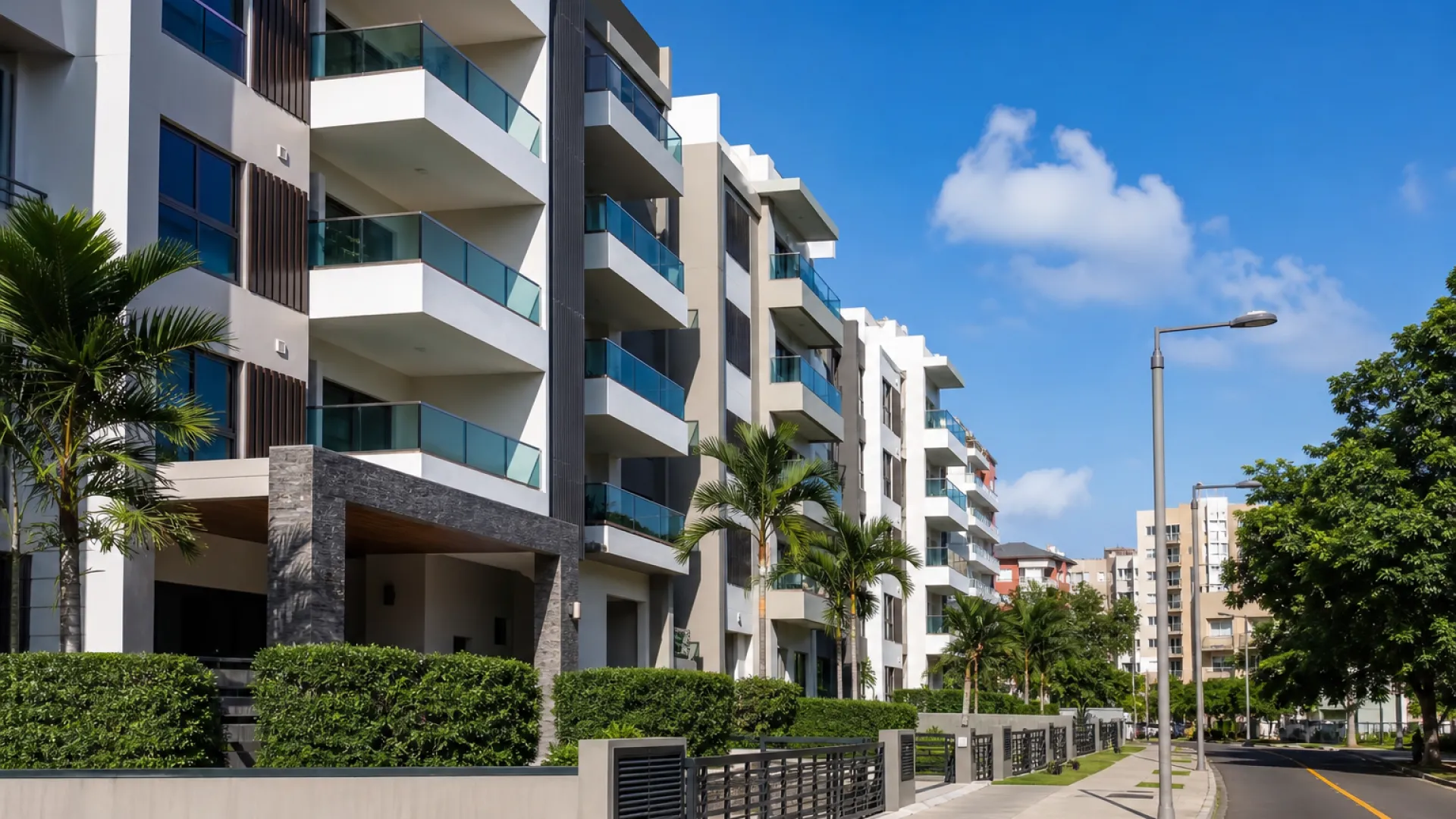
In June, the construction sector in the Dominican Republic experienced a notable shift as the costs of essential building materials decreased, providing a much-needed respite for the housing market. This reduction was reflected in the Índice de Costos Directos de la Construcción de Viviendas (ICDV), which recorded a monthly variation of -0.13%. This editorial explores the implications of this trend for the housing market and the broader economy.
Analyzing the Decrease in Housing Costs
Factors Behind the Cost Reduction
The decrease in the ICDV can be attributed to several key factors. Firstly, the prices of essential materials such as paint and steel have seen significant reductions, with paint prices dropping by 3.53%. Additionally, machinery and tools have also become less expensive, contributing to an overall decrease in construction costs.
Moreover, the ICDV recorded a monthly decline from 240.61 points in May to 240.31 points in June, reflecting a decrease of 0.30 points. This trend is crucial as it indicates a shift towards more affordable housing options, which is essential for economic growth.
The Broader Economic Implications
The reduction in construction costs has far-reaching implications for the housing market and the economy at large. With the ICDV showing a year-on-year increase of 1.94%, it is evident that while costs are decreasing, they remain elevated compared to previous years. This scenario could lead to a more competitive housing market, making it easier for potential homeowners to enter the market.
Moreover, the decrease in costs can stimulate investment in the construction sector, encouraging developers to undertake new projects and expand existing ones. This, in turn, could create jobs and boost local economies, further enhancing the overall economic landscape of the Dominican Republic.
Looking Ahead: Sustainability and Growth
As we look to the future, the challenge will be to maintain this momentum in cost reduction while ensuring that construction practices remain sustainable. The slight increase in costs for certain categories, such as the labor force and subcontracting, indicates that while some areas are improving, others may still face challenges.
It will be essential for stakeholders in the construction industry, including the Asociación de Agentes y Empresas Inmobiliarias (AEI), to collaborate and innovate to ensure that the benefits of reduced costs are realized across the board. This collaboration could lead to more sustainable building practices and ultimately a more resilient housing market.
Comments
Login to leave a comment on this article.