New Law Empowers State to Expropriate Neglected Cultural Assets
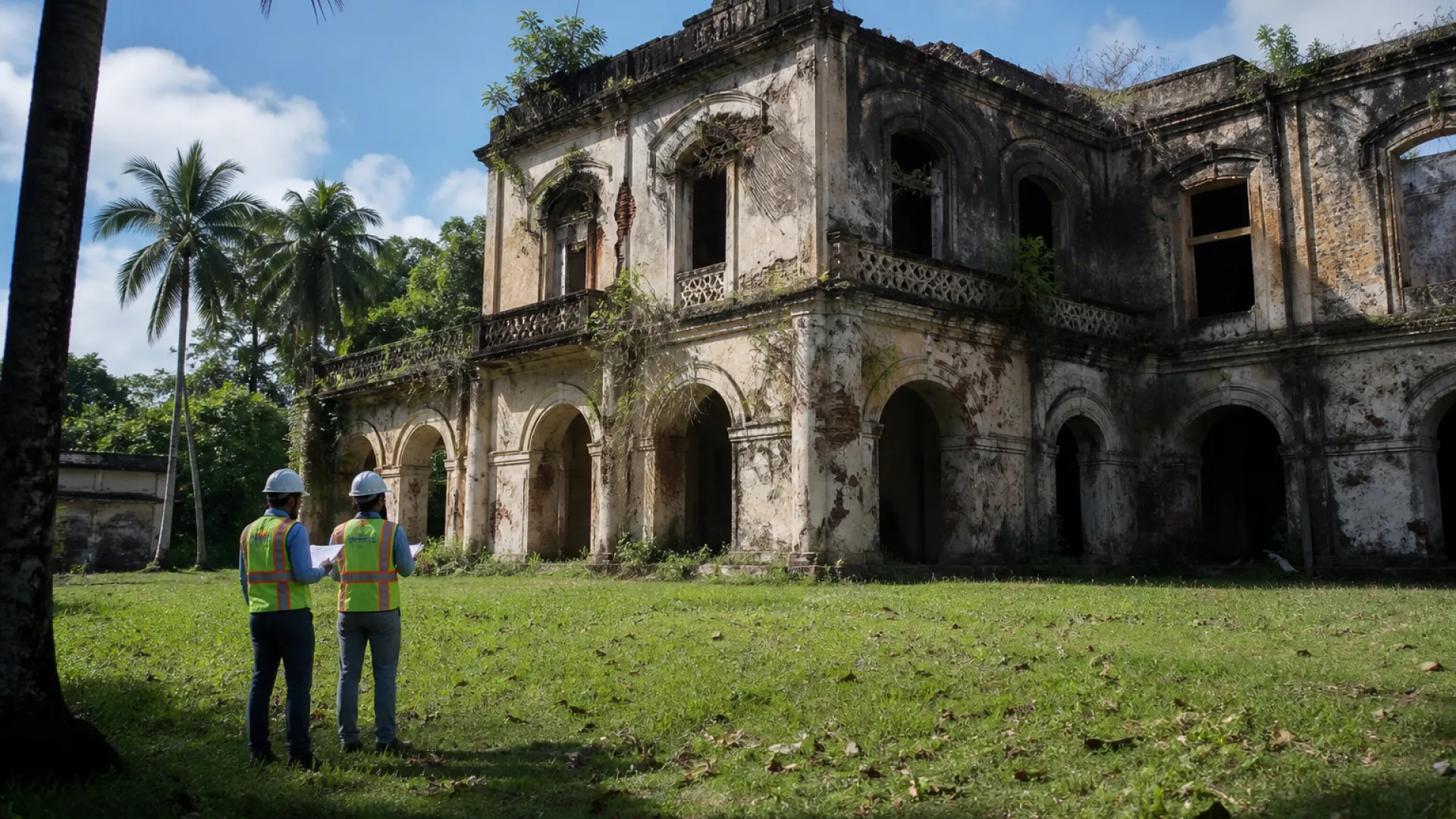
The Dominican Senate recently approved a significant piece of legislation aimed at enhancing the protection of the nation's cultural heritage. This law, which is now awaiting consideration by the Chamber of Deputies, seeks to impose stricter penalties for the neglect and mismanagement of cultural properties.
With this new framework, the government aims to safeguard the rich historical and cultural tapestry of the Dominican Republic, ensuring that future generations can appreciate and learn from these invaluable assets.
Strengthening Cultural Heritage Protection
The newly approved legislation introduces a comprehensive framework for the protection of cultural heritage in the Dominican Republic. One of the key aspects of this law is the imposition of fines ranging from three to six minimum wages for individuals who fail to declare possession of cultural assets to the Ministry of Culture. Such measures are designed to encourage accountability among property owners and ensure that cultural artifacts are properly documented and preserved.
Moreover, the law stipulates severe penalties for those who intentionally damage or destroy cultural heritage items. Offenders could face fines between 50 and 100 minimum wages, in addition to being responsible for the costs associated with the restoration of any damaged property. This reflects a growing recognition of the intrinsic value of cultural heritage and the need for its protection.
Legal Framework for Cultural Asset Export
Another significant aspect of the law is its provisions regarding the export of cultural heritage items. It establishes that any owner wishing to export a declared cultural asset must obtain prior authorization from the executive branch. Failure to comply with this requirement could lead to fines ranging from 20 to 50 minimum wages. This provision aims to prevent the illegal export of cultural treasures and ensure that such items remain within the country for public appreciation.
The legislation also addresses the issue of cultural objects owned by other states that are found unlawfully in the Dominican Republic. Such items will be classified as stolen, and the government will cooperate with international authorities to facilitate their return. This reflects a commitment to uphold international norms regarding cultural property and heritage.
Cultural Heritage and National Identity
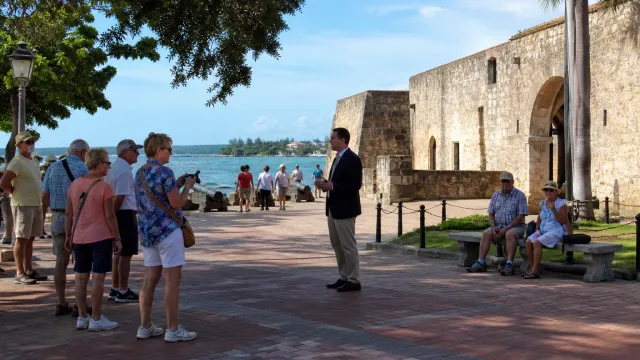
The implications of this new law extend beyond legal frameworks and penalties; they touch upon the very essence of national identity. Cultural heritage is a cornerstone of what defines a nation, and the Dominican Republic is no exception. By protecting cultural assets, the government is not only safeguarding history but also fostering a sense of belonging and pride among its citizens.
Furthermore, the preservation of cultural heritage can have significant implications for tourism and education. As the country continues to develop its tourism sector, showcasing its rich cultural history can attract visitors and generate revenue. Educational programs centered around cultural heritage can also enhance the understanding of Dominican history and values among younger generations, ensuring that the cultural narrative continues to thrive.
Comments
Login to leave a comment on this article.