Puerto Plata: A Destination Where Tourism Tells a Story
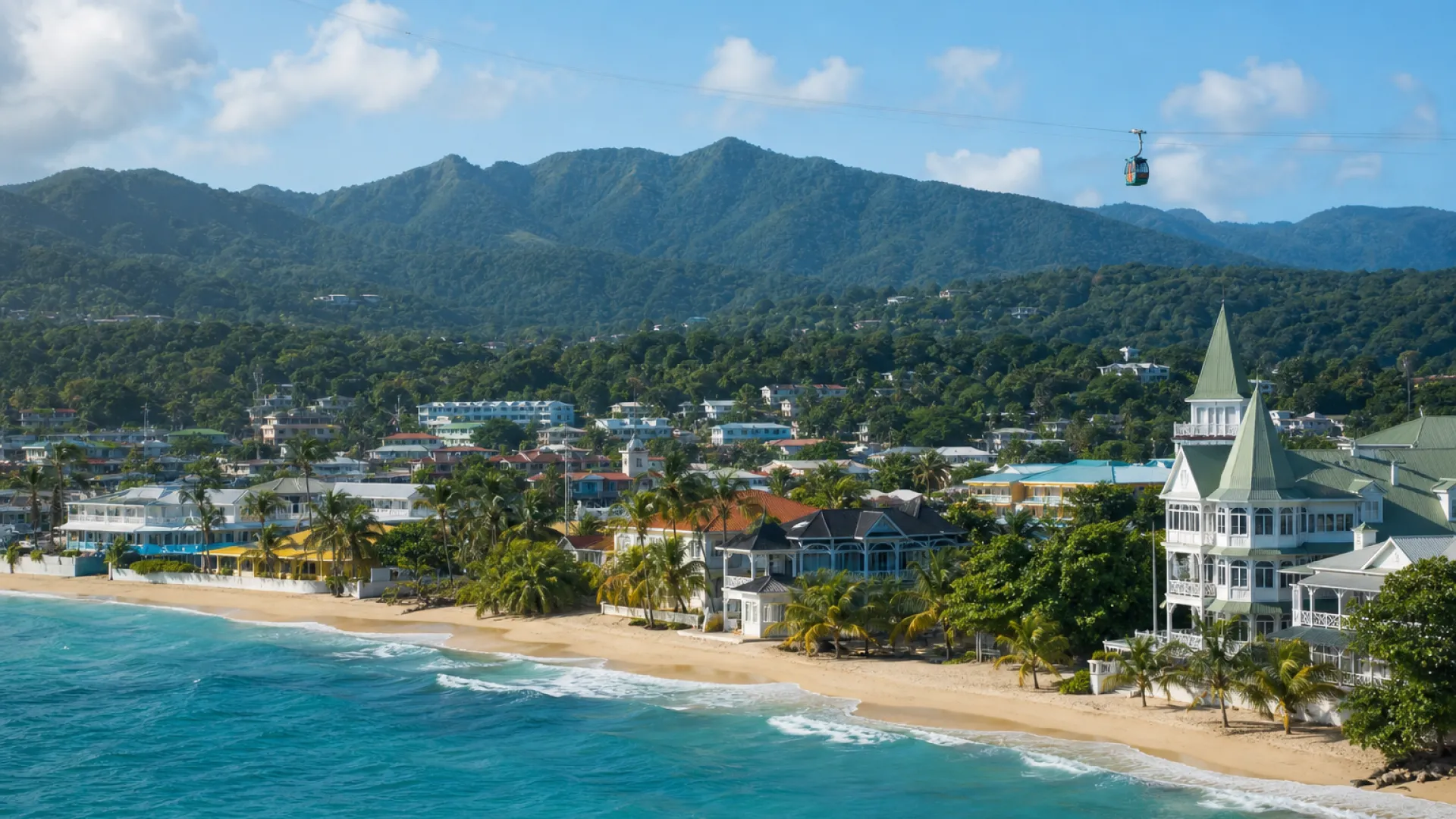
Founded in 1877, Puerto Plata stands as one of the most significant tourist destinations in Latin America. Beyond its stunning attractions, Puerto Plata is also a cradle of rich history, intertwining natural resources and cultural heritage.
The Amber Museum: A Journey Through Time
The Dominican amber is one of the most representative natural and historical resources of Puerto Plata. The Amber Museum, located in the city’s historic center, offers visitors a chance to learn about the origins of this fossilized resin, renowned for its preservation of a diverse array of plant and insect fossils. Established in 1982 by the Italian couple Costa Perelló, the museum is housed in a historic building that once belonged to the Benz family, who were linked to the sugar cane production and exportation.
Visitors are guided through the museum, where they discover that amber is not a stone, but a plant resin that can take between two to ten million years to fossilize. The collection includes pieces from various parts of the world, including Mexico, Poland, Africa, and Australia, but Dominican amber is particularly noted for its clarity and the variety of inclusions it contains.
The Unique Blue Amber
Among the most striking pieces in the museum is the blue amber, which is presented as the rarest and currently exclusive to the Dominican Republic. Its unique characteristic is that its blue hue is not always visible to the naked eye; it transforms into an oceanic blue when exposed to sunlight or high-intensity light. The color of amber is not necessarily indicative of its age, as shades like green, red, black, and opaque can occur due to chemical reactions between the resin and various environmental elements.
The museum utilizes backlighting to allow visitors to appreciate the inclusions in darker pieces that would otherwise remain hidden. Each amber specimen carries a story of mining activity that starkly contrasts with the serene displays of the museum.
Cultural Heritage: The Tobacco Connection
The museum connects the story of amber with another tradition that is a crucial part of Dominican identity: tobacco. The second part of the tour is dedicated to this crop and the processes it undergoes before becoming a cigar. Visitors learn about how tobacco plants initially go through greenhouses where environmental conditions are controlled. After approximately seven weeks, they are transferred to open fields, where they continue to grow for another 80 to 120 days. The entire growth cycle of the plant can take around seven months.
This connection between amber and tobacco not only highlights the economic activities in Puerto Plata but also emphasizes the cultural significance of these industries in shaping the Dominican Republic's identity.
Comments
Login to leave a comment on this article.