AnyHouse logo
Home
Properties
About
Blog
Brokers
LoginRegister
Home
Properties
Blog
About
Brokers
LoginRegister

Blog

  • Dominican Republic Leads Freedom of Expression Index as U.S. Declines

    Dominican Republic Leads Freedom of Expression Index as U.S. Declines

    Introduction: A Landmark Achievement for the Dominican RepublicThe Dominican Republic has achieved a remarkable milestone by topping the Chapultepec Index of Freedom of Expression and Press among 23 countries in the Americas, scoring 82.17 out of 100. This achievement, reported by the Inter-American Press Association (SIP), highlights the nation’s commitment to upholding fundamental freedoms in a region where many countries struggle with press censorship and violence against journalists.
    The Context of Freedom of Expression in the RegionWhile the Dominican Republic stands out with its high score, the report underscores the precarious nature of this stability. The SIP warns that the country faces significant threats to its freedom of expression, including economic fragility of media outlets, the discretionary use of state advertising as a control mechanism, and legislative proposals that could impose censorship. These factors create a 'silent gag' that could undermine the progress made in recent years.
    Economic Pressures on MediaThe economic landscape for media in the Dominican Republic is challenging. The SIP report indicates that the migration of advertising investments to global platforms is compromising editorial independence. This shift not only diminishes the financial viability of local media but also exposes them to political and commercial pressures, which can lead to self-censorship and a reduction in journalistic quality.
    Legislative ConcernsOne of the most pressing issues highlighted in the report is the proposed law to establish the National Communication Institute (Inacom). Critics argue that this legislation poses risks of censorship and could further entrench governmental control over media narratives. The potential for such legislation to stifle dissenting voices raises alarms about the future of press freedom in the Dominican Republic.
    The Contrasting Situation in the United StatesIn stark contrast, the United States has experienced a significant decline in its freedom of expression index, dropping from a category of 'low restriction' to 'in restriction.' With a score of 45.87, the U.S. now ranks 11th, marking its lowest score to date. This decline is attributed to a series of aggressive actions against journalists, including 170 documented assaults during the early Trump administration, reflecting a troubling trend in the treatment of the press.
    Implications for DemocracyThe implications of these developments are profound. In the Dominican Republic, the SIP's report indicates that while the country is recognized for its media openness, the internal challenges could jeopardize its democratic fabric. The government's rhetoric on press freedom, as articulated by President Luis Abinader, is overshadowed by economic pressures that journalists face, leading to increased barriers to information access.
    Regional ComparisonsComparatively, countries like Haiti and El Salvador are struggling even more severely with press freedom. Haiti is plagued by gang violence that limits journalistic activities, ranking 19th with a score of 29.02, while El Salvador ranks among the worst, with a score of 24.49, where judicial persecution and direct aggression against journalists are rampant. These comparisons highlight the relative stability of the Dominican Republic but also serve as a cautionary tale about the fragility of such achievements.
    Conclusion: A Call to ActionAs the Dominican Republic celebrates its leading position in the Chapultepec Index, it must remain vigilant against the threats that could undermine its progress. The government, civil society, and media stakeholders must work collaboratively to safeguard freedom of expression and ensure that the rights of journalists are protected. Only through sustained efforts can the Dominican Republic maintain its status as a beacon of press freedom in a region fraught with challenges.

    More infoarrow_forward

  • Dominican Republic Aims to Surpass 440,000 Colombian Tourists by 2026

    Dominican Republic Aims to Surpass 440,000 Colombian Tourists by 2026

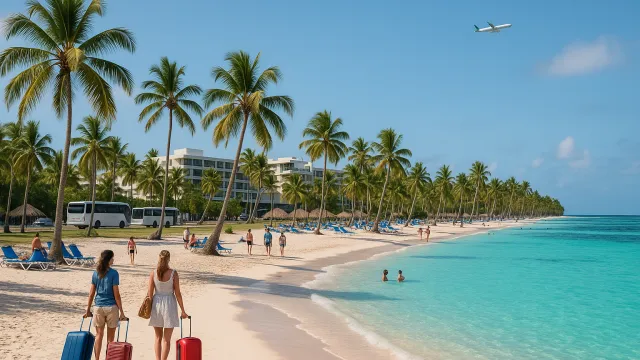
    Growing Colombian Tourist MarketThe Dominican Republic's Minister of Tourism, David Collado, has announced ambitious plans to increase the number of Colombian tourists visiting the country, projecting to surpass 440,000 visitors by 2026. This marks a significant growth from the pre-pandemic figures, where the annual influx of Colombian tourists was between 106,000 and 108,000. By 2025, this number is expected to reach 400,000, showcasing a remarkable recovery and growth trajectory for this vital market.
    Collado emphasized the importance of the Colombian market, noting that the flow of travelers from Colombia has been growing at a rate exceeding 10% in the early months of the year. This trend is not only encouraging for the tourism sector but also reflects the Dominican Republic's strategic efforts to enhance its appeal as a premier Caribbean destination.
    Strategic Partnerships for ConnectivityTo facilitate this growth, the Ministry of Tourism is actively collaborating with major airlines including Avianca, Wingo, Copa Airlines, and Arajet. These partnerships aim to improve air connectivity and increase the availability of seats from Latin America to the Dominican Republic. Enhanced connectivity is crucial for attracting more tourists, as it directly influences their travel decisions.
    Collado's remarks highlight the significance of these partnerships in fostering a robust tourism infrastructure that can accommodate the anticipated influx of Colombian visitors. By ensuring that travelers have convenient flight options, the Dominican Republic positions itself as a competitive player in the Caribbean tourism market.
    Diverse Attractions and ExperiencesThe Dominican Republic's appeal to Colombian tourists can be attributed to its diverse offerings, which include stunning beaches, rich culture, and a vibrant culinary scene. Punta Cana remains the most popular destination, accounting for nearly 80% of Colombian visits. However, the government is keen on diversifying tourist attractions beyond Punta Cana. Destinations like Miches, Puerto Plata, and Santo Domingo, particularly the Colonial City, are being promoted to showcase the country’s varied cultural and natural landscapes.
    This diversification strategy is not only aimed at attracting more tourists but also at distributing the economic benefits of tourism across different regions of the country. By promoting lesser-known areas, the Dominican Republic can enhance local economies and create a more sustainable tourism model.
    Economic Implications and Future OutlookThe anticipated increase in Colombian tourists is expected to have significant economic implications for the Dominican Republic. The tourism sector is a crucial driver of economic growth, contributing to job creation and foreign exchange earnings. Collado expressed optimism about achieving at least a 10% growth in tourism this year, a target that reflects the confidence in the sector's recovery and expansion.
    As the country continues to invest in its tourism infrastructure and marketing strategies, the Dominican Republic is well-positioned to solidify its status as a leading Caribbean destination. The focus on safety, quality service, and diverse experiences will be essential in maintaining the trust of travelers and ensuring repeat visits.
    In conclusion, the Dominican Republic's proactive approach to enhancing its appeal to Colombian tourists, coupled with strategic partnerships and a commitment to diversifying its offerings, bodes well for the future of its tourism sector. As the country aims to surpass 440,000 Colombian visitors by 2026, it is crucial to monitor the developments in air connectivity, tourist satisfaction, and the overall economic impact of this growth.

    More infoarrow_forward

  • Dominican Republic Achieves Record 1.18 Million Visitors in February

    Dominican Republic Achieves Record 1.18 Million Visitors in February

    Record-Breaking Visitor NumbersThe Dominican Republic's tourism sector has achieved a remarkable milestone, welcoming a staggering 1,184,902 visitors in February alone. This figure marks a significant growth of 13.1% compared to February 2025, and an impressive 11.9% increase over February 2024. When compared to pre-pandemic levels in 2019, the growth is even more striking, reflecting a 64.2% rise. These numbers were announced by the Minister of Tourism, David Collado, during an event held at the Jaragua Hotel in Santo Domingo.
    Among the visitors, 824,172 arrived by air, while 360,730 came via cruise ships. The air arrivals represent an 11.3% increase from February 2025 and a 9% rise from February 2024. Meanwhile, cruise arrivals saw a 17.6% increase compared to the previous year, an 18.9% rise from 2024, and an astonishing 209.6% increase from 2019. This surge in tourism not only breaks previous records but also indicates a robust recovery and growth trajectory for the Dominican Republic's tourism sector.
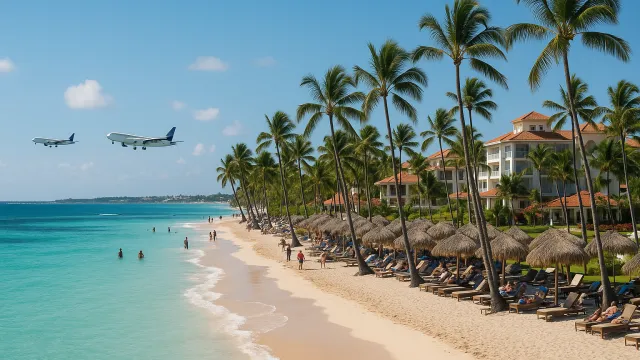
    Key Markets and AirportsThe United States remains the largest source of visitors, accounting for 39% of arrivals, followed by Canada at 24%. Other notable markets include Argentina (6%), France (4%), and Colombia (3%). The Punta Cana International Airport was the busiest, receiving 54% of the total air traffic, followed by Las Américas Airport (AILA) at 24%, Cibao at 10%, and Puerto Plata at 5%. This distribution highlights the strategic importance of Punta Cana as a major hub for international tourism.
    Hotel occupancy rates during this period exceeded 87%, a testament to the thriving hospitality sector. Additionally, tourist satisfaction levels were recorded at 4.4 out of 5, indicating a positive experience for visitors. These metrics are crucial as they not only reflect the quality of services provided but also play a significant role in encouraging repeat visits and positive word-of-mouth marketing.
    Implications for Economic GrowthThe implications of these record-breaking tourism numbers extend beyond the immediate economic benefits. The tourism sector is a cornerstone of the Dominican Republic's economy, contributing significantly to GDP and employment. As the country continues to attract more visitors, the demand for real estate, particularly in tourist hotspots, is likely to increase. This growth can lead to further investments in infrastructure, hospitality, and related sectors, creating a multiplier effect that benefits the broader economy.
    Moreover, the government's proactive approach to promoting tourism, as evidenced by the recent announcements from Minister Collado, suggests a commitment to sustaining this growth. With all major source markets showing positive trends, the Dominican Republic is well-positioned to capitalize on the global recovery in travel.
    In conclusion, the Dominican Republic's achievement of welcoming over 1.18 million visitors in February is not just a statistic; it represents a significant rebound and growth opportunity for the nation. As the tourism sector flourishes, it is essential for stakeholders to remain vigilant and responsive to market trends, ensuring that the country continues to be a premier destination for travelers worldwide.

    More infoarrow_forward

  • The Decline of Cuba, Jamaica, and Mexico: A Boon for Punta Cana

    The Decline of Cuba, Jamaica, and Mexico: A Boon for Punta Cana

    Understanding the Shift in Caribbean TourismThe Caribbean tourism landscape is undergoing a significant transformation, primarily due to the decline of key players like Cuba, Jamaica, and Mexico. These countries are currently facing various challenges that have led to a decrease in their attractiveness as vacation destinations. This situation has inadvertently opened the door for Punta Cana, a premier tourist destination in the Dominican Republic, to thrive. As reported, Punta Cana is experiencing hotel occupancy rates between 80% and 85%, with expectations to surpass 90% during the upcoming Holy Week from March 29 to April 5, 2024.
    Factors Contributing to the Decline of CompetitorsSeveral factors have contributed to the decline of tourism in Cuba, Jamaica, and Mexico. In Cuba, the energy crisis has severely impacted the country's infrastructure and services, making it less appealing to tourists who prioritize comfort and reliability. The situation in Mexico is equally concerning, as safety issues have raised alarms among potential visitors. Reports of violence and crime have deterred many from considering Mexico as a safe vacation spot.
    Meanwhile, Jamaica has faced its own challenges, particularly after Hurricane Melissa, which left a significant mark on its tourism industry. The aftermath of natural disasters often leads to long recovery periods, during which tourist numbers can plummet. The cumulative effect of these issues has resulted in a noticeable decline in tourist arrivals in these nations, creating an opportunity for Punta Cana to capture a larger share of the Caribbean tourism market.
    Punta Cana's Response and Future ProspectsIn light of these developments, Punta Cana is positioning itself as a safe and attractive alternative for travelers. Ernesto Veloz, the president of the Association of Hotels and Tourist Projects of the Eastern Zone (Asoleste), emphasized the importance of maintaining security and ensuring a welcoming environment for visitors. With Punta Cana being touted as one of the safest destinations in the Caribbean, the Dominican Republic is poised to benefit significantly from the misfortunes of its neighbors.
    As the tourist influx continues to rise, local businesses and the economy stand to gain immensely. The increased hotel occupancy not only boosts revenue for the hospitality sector but also stimulates related industries such as transportation, food services, and entertainment. This interconnectedness highlights the importance of tourism in the Dominican Republic's economic framework, making it a vital component for growth and sustainability.
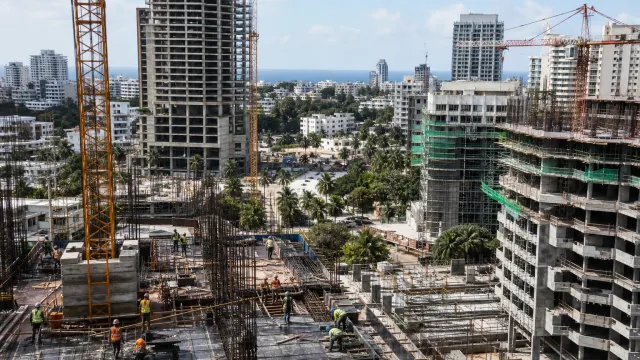
    Implications for Real Estate and InvestmentThe surge in tourism also has implications for the real estate market in Punta Cana. As demand for accommodations rises, there is a corresponding need for more hotels, resorts, and vacation rentals. Investors may find this an opportune time to enter the market, given the potential for high returns in a thriving tourist destination. The Dominican Republic’s government may also consider incentivizing investment in the tourism sector to capitalize on this trend.
    Moreover, with the anticipated increase in tourist numbers, local authorities must ensure that infrastructure keeps pace with growth. This includes not only expanding hotel capacity but also improving transportation networks and public services to accommodate the influx of visitors. Failure to do so could lead to overcrowding and diminished visitor experiences, which could ultimately harm the reputation of Punta Cana as a top-tier destination.
    ConclusionThe decline of Cuba, Jamaica, and Mexico presents a unique opportunity for Punta Cana to solidify its position as a leading tourist destination in the Caribbean. By focusing on safety, enhancing visitor experiences, and investing in infrastructure, the Dominican Republic can leverage its competitors' challenges to foster economic growth and sustainability. As Punta Cana prepares for a busy Holy Week, the future looks bright for this vibrant destination, proving that even in times of adversity, opportunities for growth and success can emerge.

    More infoarrow_forward

  • Dominican Republic Sees 17% Increase in Rental Prices Over Five Years, Study Reveals

    Dominican Republic Sees 17% Increase in Rental Prices Over Five Years, Study Reveals

    Understanding the Rental Price SurgeThe Dominican Republic's rental market has witnessed a significant increase in prices, accumulating a 17.10% rise over the past five years, according to a recent study by Global Property Guide. This increase is indicative of broader trends affecting rental markets globally, where over 80 countries have experienced varying degrees of rental price inflation. The report highlights that in the last year alone, rental prices in the Dominican Republic have risen by 2.64%, a clear indication of ongoing demand and economic pressures.
    This upward trend in rental prices is not an isolated phenomenon; it reflects a combination of factors including economic growth, increased urbanization, and the development of new residential projects. Cities like Santo Domingo and Santiago are at the forefront of this growth, as they continue to attract both local and foreign investments, further driving demand for rental properties.
    Global Context of Rental Price IncreasesThe Global Property Guide's analysis places the Dominican Republic within a larger context of global rental price trends. For instance, countries such as Hungary and Iceland have seen staggering increases of 103.84% and 78.42% respectively over the past decade. In Latin America, Brazil and Chile have also recorded significant rental price hikes, with increases of 72.15% and 59.12% over the same period. These statistics underline a global housing crisis that is affecting both developed and developing nations.
    In the United States, rental prices have also surged, with an accumulated increase of 51.55% in the last ten years. This trend raises critical questions about housing affordability and access in urban centers worldwide, as the cost of living continues to rise faster than wages in many regions.
    Implications for the Dominican Real Estate MarketThe sustained increase in rental prices in the Dominican Republic has significant implications for its real estate market and broader economy. As rental prices rise, the affordability of housing becomes a pressing issue for many residents. This can lead to increased demand for affordable housing solutions, prompting both the government and private developers to explore innovative approaches to meet this need.
    Moreover, the growth in rental prices is closely linked to the overall economic health of the country. As more people seek housing in urban areas, the demand for rental properties is likely to continue rising, driving further investment in the real estate sector. This dynamic could lead to a construction boom, as developers respond to the increasing need for housing.
    However, the challenge remains in balancing growth with affordability. Policymakers must consider measures to ensure that the rising costs do not outpace income growth, which could lead to social unrest and economic disparities. Initiatives such as rent control, subsidies for low-income renters, and the promotion of affordable housing developments could be essential in addressing these challenges.
    In conclusion, the 17% increase in rental prices over the past five years in the Dominican Republic is a multifaceted issue that reflects broader global trends in the real estate market. As the country continues to develop, it will be crucial to monitor these trends and implement strategies that promote both economic growth and housing affordability.

    More infoarrow_forward

  • Strengthening Ties: The Dominican Republic's Role in the Americas Anti-Drug Coalition

    Strengthening Ties: The Dominican Republic's Role in the Americas Anti-Drug Coalition

    Introduction to the SummitIn a significant display of international cooperation, Dominican Republic President Luis Abinader and former U.S. President Donald Trump participated in the Cumbre Escudo de las Américas, where they signed a commitment agreement aimed at combating drug trafficking in the region. This summit, attended by representatives from 12 countries in the Western Hemisphere, underscores the importance of collaborative efforts in addressing security challenges that transcend national borders.
    The Agreement's ImplicationsThe agreement signed during the summit represents a reaffirmation of the Dominican Republic's commitment to regional security and cooperation. President Abinader emphasized the nation’s dedication to enhancing safety and fostering collaboration among countries in the Americas. The initiative, known as the Coalition Against Cartels of the Americas, aims to strengthen law enforcement and intelligence sharing to combat the rising tide of drug-related violence that has plagued many nations in the region.
    Impact on Regional SecurityThe implications of this agreement are profound. Drug trafficking not only threatens public safety but also destabilizes economies and undermines democratic institutions. The Dominican Republic, strategically located between North and South America, plays a crucial role in this coalition. By actively participating in this initiative, the Dominican Republic positions itself as a leader in regional security efforts, enhancing its diplomatic standing and fostering stronger ties with the United States.
    Economic ConsiderationsFrom an economic perspective, the fight against drug trafficking is also a fight for sustainable development. The Dominican Republic has been making strides in various sectors, including tourism and agriculture, which are vital for its economy. However, the shadow of drug trafficking can deter foreign investment and tourism. By engaging in this coalition, the Dominican Republic not only seeks to secure its borders but also to create a more favorable environment for economic growth.
    Remarks from LeadersDuring the summit, Trump notably acknowledged the Dominican Republic's contributions, referring to the country as home to many of his friends, including the so-called 'King of Sugar.' This light-hearted remark underscores the personal relationships that can influence diplomatic ties. However, it also highlights the importance of agriculture, particularly sugar production, in the Dominican economy, which can be adversely affected by the drug trade.
    Future ProspectsThe cooperation on energy and sustainable development discussed at the summit also points to a broader vision for the region. As countries face challenges related to climate change and energy security, collaborative efforts will be essential. The Dominican Republic's involvement in these discussions signals its readiness to engage in multifaceted partnerships that address not only security but also economic and environmental sustainability.
    ConclusionThe Cumbre Escudo de las Américas and the resulting agreement mark a pivotal moment for the Dominican Republic. As the nation navigates the complexities of regional security, it must balance its commitments to international cooperation with the needs of its citizens. The outcomes of this summit could very well shape the future of the Dominican Republic's role in the Americas, making it a key player in the fight against drug trafficking and a champion for sustainable development.

    More infoarrow_forward

  • Abinader and Playa Grande Announce $1 Billion Investment: A New Era for Dominican Infrastructure and Tourism

    Abinader and Playa Grande Announce $1 Billion Investment: A New Era for Dominican Infrastructure and Tourism

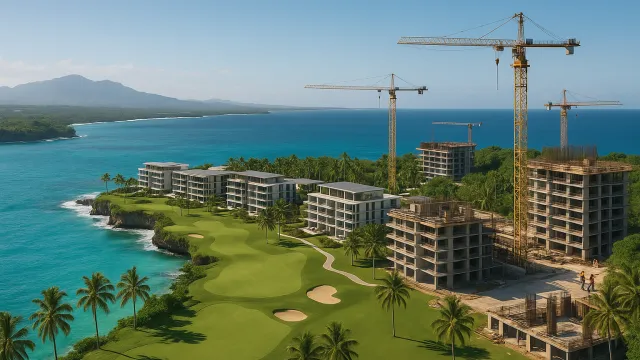
    Introduction: A Landmark InvestmentThe recent announcement by President Luis Abinader regarding a $1 billion investment in the Playa Grande area marks a significant milestone for the Dominican Republic. This initiative, which includes the development of the Playa Grande International Airport, aims to enhance international access to the northern coast of the country, ultimately boosting tourism and economic growth.
    The Details of the InvestmentDuring a formal event, President Abinader, alongside executives from Playa Grande, Discovery Land Company, and Aman Resorts, outlined the ambitious plans for the new airport. This private international terminal is expected to serve as a key anchor for a series of investments in the Playa Grande Golf & Ocean Club. The construction is anticipated to commence in the coming months, pending final regulatory approvals.
    Abinader emphasized the importance of adhering to legal frameworks while expediting the project's progress. He stated, "It is very difficult to work in government because one wants to do things immediately, but we must respect the law, the legal framework, and the Constitution." This commitment to legality reflects a broader strategy to foster a stable investment environment in the Dominican Republic.
    Investment as a Growth CatalystThe announcement comes at a time when foreign investment in the Dominican Republic is witnessing a remarkable surge. Last year alone, the country attracted $5 billion in foreign investments, a testament to the growing confidence among international investors. Abinader's administration is keen on positioning the private sector as the engine of growth, asserting that the government’s role is to facilitate these investments within the legal framework.
    Abinader's remarks underscore a proactive approach to attracting further investments. He encouraged potential investors to consult with those already operating in the country, highlighting their experiences as the best promotion for the Dominican Republic. This strategy not only builds trust but also enhances the country’s reputation as a viable investment destination.
    Environmental Considerations and Sustainable DevelopmentAs the Playa Grande project unfolds, environmental sustainability remains a top priority. Abinader assured that the investment would proceed while respecting environmental norms, emphasizing that it is a "strategic investment" characterized by low density and high-quality development. This approach is crucial in a country where tourism is a primary economic driver, and maintaining the natural beauty of the landscape is essential for long-term success.
    The development of the Playa Grande International Airport and associated real estate projects is expected to create numerous jobs and stimulate local economies. However, it is vital that these developments do not compromise the ecological integrity of the region. The government’s commitment to environmental regulations will be critical in balancing economic growth with sustainable practices.
    Tourism Growth and Global PositioningThe Dominican Republic has increasingly positioned itself as a premier tourist destination, receiving nearly 11.7 million visitors last year—more than the country’s entire population. This influx of tourists has propelled the nation to become the second-largest tourist destination in Latin America, following Mexico. Abinader's administration is focused on leveraging this momentum to further develop the tourism sector, which is seen as a cornerstone of the national economy.
    With the new airport, the government aims to enhance connectivity and accessibility, making it easier for tourists to visit the northern coast. This development is not merely about increasing numbers; it is about enriching the tourist experience and ensuring that the Dominican Republic remains competitive on the global stage.
    Conclusion: A Bright Future AheadThe announcement of the Playa Grande investment is a clear signal of the Dominican Republic's commitment to enhancing its infrastructure and tourism offerings. With the government actively facilitating investments and ensuring legal compliance, the future looks promising for both residents and investors alike. As the Playa Grande International Airport takes shape, it is expected to redefine the region's economic landscape and solidify the country’s status as a top-tier destination for international tourism.

    More infoarrow_forward

  • Arajet Expands Its Fleet: Welcoming the 14th Aircraft and Promoting Eco-Tourism

    Arajet Expands Its Fleet: Welcoming the 14th Aircraft and Promoting Eco-Tourism

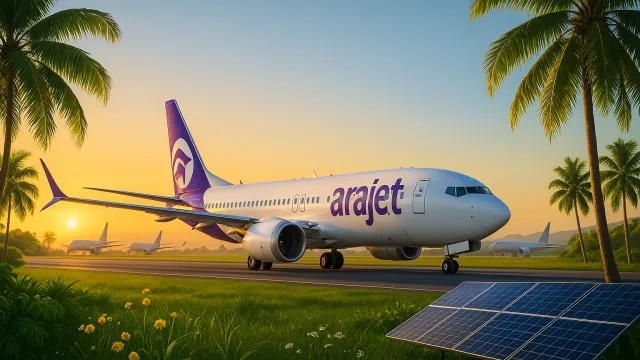
    Introduction to Arajet's New AircraftThe Dominican Republic's flagship airline, Arajet, has recently celebrated a significant milestone with the arrival of its 14th aircraft, a modern Boeing 737 MAX 8 named 'Salto de Jimenoa.' This aircraft was officially welcomed at the Las Américas International Airport (AILA) and is part of a broader strategy by Arajet to enhance its fleet while simultaneously promoting the country's natural heritage.
    The naming of the aircraft after the Salto de Jimenoa, a stunning waterfall located in Jarabacoa, La Vega province, reflects Arajet's commitment to environmental conservation and eco-tourism. This initiative not only elevates the visibility of the Dominican Republic's natural attractions but also aims to foster a sustainable tourism model that benefits local economies.
    Significance of the Salto de JimenoaThe Salto de Jimenoa is a prominent ecotourism site, known for its breathtaking scenery and opportunities for adventure tourism. The waterfall, located in the lush mountains of Jarabacoa, attracts both local and international visitors seeking to experience the natural beauty of the Dominican Republic. By naming the aircraft after this iconic site, Arajet positions itself as a champion of eco-tourism, aligning its business model with the principles of sustainability and environmental stewardship.
    Victor Pacheco, CEO and founder of Arajet, emphasized that this new addition to the fleet is not merely about expanding operational capacity. It represents a strategic move to connect the Dominican Republic with global markets while simultaneously promoting the country's biodiversity. Each aircraft named after a protected area serves as an ambassador for the nation’s natural resources, encouraging responsible tourism that is crucial for sustainable development.
    The Role of Government and Public-Private PartnershipsThe collaboration between Arajet and the Dominican government highlights the importance of public-private partnerships in enhancing the country's tourism sector. Senator Rogelio Genao from La Vega province noted that such alliances are vital for improving connectivity and ensuring the sustainability of key destinations for nature and adventure tourism. This partnership not only positions the Dominican Republic as a diverse and competitive destination in the Caribbean but also strengthens the local economy.
    As Arajet continues to expand its fleet, the implications for the Dominican Republic's tourism industry are profound. The airline's focus on eco-tourism aligns with global trends where travelers increasingly seek sustainable and responsible travel options. By promoting natural attractions like the Salto de Jimenoa, Arajet is tapping into a growing market segment that values environmental conservation and cultural experiences.
    Conclusion: A Vision for Sustainable TourismArajet's incorporation of the 'Salto de Jimenoa' into its fleet is more than just a logistical enhancement; it is a clear statement of intent regarding the airline's commitment to sustainable tourism. As the Dominican Republic seeks to position itself as a leader in eco-tourism in the Caribbean, Arajet's efforts will play a crucial role in shaping the future of travel to the region.
    In conclusion, the arrival of the 14th aircraft is a significant step forward for Arajet and the Dominican Republic. It underscores the potential for eco-tourism to drive economic growth while preserving the country's natural beauty. As travelers become more conscious of their environmental impact, airlines like Arajet that prioritize sustainability will undoubtedly find themselves at the forefront of the industry.

    More infoarrow_forward

  • Tourism Boom in the Dominican Republic: A 5.5% Increase in Visitor Arrivals

    Tourism Boom in the Dominican Republic: A 5.5% Increase in Visitor Arrivals

    Introduction: A Historic Moment for Dominican TourismThe Dominican Republic has recently reported a remarkable 5.5% increase in visitor arrivals in January, surpassing 1,219,606 individuals. This surge is particularly notable given the global challenges the tourism sector has faced in recent years. The Ministry of Tourism (MITUR) has highlighted that arrivals from South America have increased by an impressive 15%, indicating a shift in travel patterns and preferences among international tourists.
    Key Players and InitiativesLeading the charge in this tourism renaissance is Tammy Reynoso, the Deputy Minister of Tourism Development at MITUR, alongside Petra Cruz, the Director of the Office of Tourist Promotion (OPT) for Germany. Their efforts are not only focused on attracting more visitors but also on enhancing the overall tourist experience through strategic initiatives and awards. For the third consecutive year, the Dominican Republic has been honored with the Four-Star Recommendation from Forbes, a testament to the quality of service and hospitality offered in the country.
    Investment in Human CapitalOne of the most significant aspects of this growth is the emphasis on human capital development within the tourism sector. Reynoso stated, “Today we inaugurate a school; but, above all, we inaugurate opportunities.” This statement underscores the importance of preparing the workforce to meet the demands of a growing tourism market. The Dominican Republic recognizes that sustainable tourism growth cannot rely solely on physical infrastructure and hotel investments; it must also be supported by a well-trained and skilled workforce.
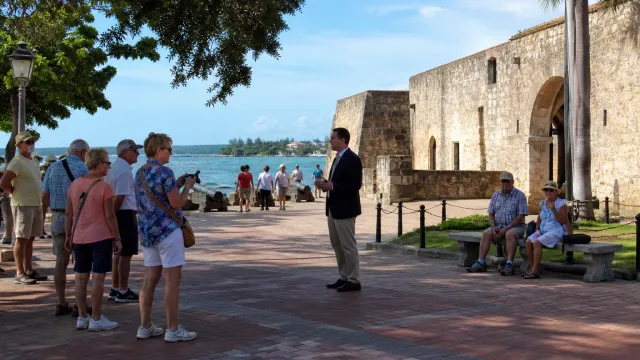
    The Impact of Colonial City RevitalizationAnother noteworthy development is the revitalization of the Colonial City, which now attracts 8% of all tourists visiting the country. This historic area, with its rich cultural heritage, has become a focal point for both local and international visitors. The government’s commitment to preserving and promoting this UNESCO World Heritage site is crucial for enhancing the tourist experience and ensuring that visitors engage with the Dominican Republic's history and culture.
    Economic ImplicationsThe increase in tourist arrivals has substantial economic implications for the Dominican Republic. The tourism sector is a vital contributor to the national economy, providing jobs and stimulating growth in various related industries, including real estate, hospitality, and local businesses. As more tourists flock to the country, demand for accommodations, restaurants, and recreational activities will rise, creating opportunities for investment and development in these sectors.
    Challenges AheadDespite this positive trend, the Dominican Republic must navigate several challenges to maintain its tourism momentum. The global tourism landscape is continually evolving, influenced by factors such as health crises, geopolitical tensions, and changing consumer preferences. To remain competitive, the country must adapt its strategies and continue investing in both infrastructure and human resources.
    Conclusion: A Bright Future for Dominican TourismIn conclusion, the Dominican Republic stands at a pivotal moment in its tourism journey. The 5.5% increase in visitor arrivals, coupled with a focus on human capital development and the revitalization of key cultural sites, positions the country for continued growth in the sector. By addressing challenges head-on and leveraging its unique offerings, the Dominican Republic can ensure a sustainable and prosperous future for its tourism industry.

    More infoarrow_forward

  • Government Invests $12 Million to Install New Cable Car in Puerto Plata

    Government Invests $12 Million to Install New Cable Car in Puerto Plata

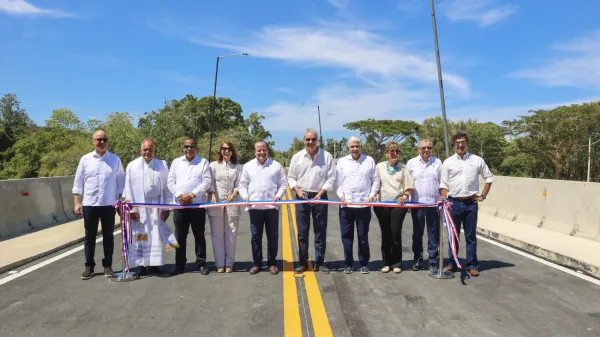
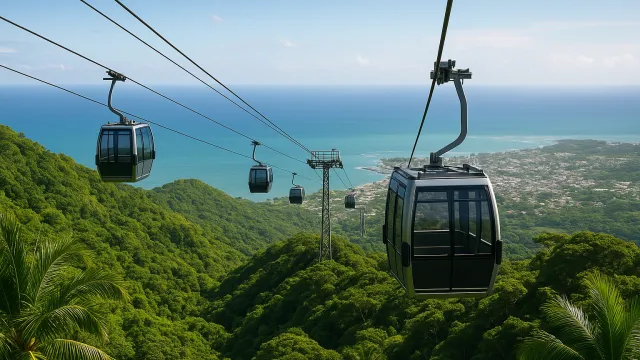
    Investment in Tourism InfrastructureThe Dominican Republic's government has announced a significant investment of $12 million for the installation of a new cable car in Puerto Plata. This initiative, led by President Luis Abinader, aims to revitalize the area’s tourism infrastructure, which is crucial for the economic development of the region. The funding will be split evenly between the Dominican Civil Aviation Institute (IDAC) and the Ministry of Tourism, each contributing $6 million.
    Igor Rodríguez, the director general of IDAC, emphasized the importance of this project during a recent meeting with members of the Northern Zone Workers and Vendors Federation (Fedanorte). This meeting, held in July 2025, underscored the commitment of the government to enhance the tourist appeal of Puerto Plata, a destination that has historically attracted visitors due to its natural beauty and cultural heritage.
    Significance of the Cable Car ProjectThe cable car project is not merely about transportation; it symbolizes a broader commitment to modernizing the Dominican Republic’s tourism offerings. The previous cable car, which was a major attraction, had fallen into disrepair, and its closure had a negative impact on local businesses and the economy. By reinstating this iconic feature, the government aims to boost not only tourism but also local employment and commerce.
    Tourism is a pillar of the Dominican Republic's economy, contributing significantly to GDP and providing thousands of jobs. The new cable car is expected to enhance the visitor experience, offering breathtaking views of the surrounding landscape, and thereby attracting more tourists. The involvement of Transmilenio, a Colombian mobility company, in the technical inspections and remodelling plans indicates a professional approach to ensure the project meets international standards.
    Economic Implications for Puerto PlataThe economic implications of this investment extend beyond immediate job creation. A successful cable car operation can lead to increased foot traffic in the area, benefiting local businesses, restaurants, and hotels. The project is expected to revitalize the local economy, which has faced challenges in recent years due to various factors, including the COVID-19 pandemic.
    Moreover, the government’s commitment to investing in Puerto Plata aligns with its broader strategy to diversify the economy and reduce dependency on traditional tourism hotspots. By enhancing the infrastructure in Puerto Plata, the government is positioning the region as a competitive alternative to more established tourist destinations, which could lead to sustainable growth in the long term.
    Conclusion: A Step Towards Sustainable TourismThis investment in the new cable car is a clear indication of the Dominican Republic's dedication to sustainable tourism development. By focusing on infrastructure improvements and engaging with local stakeholders, the government is fostering an environment that encourages both tourism and community well-being. As the project progresses, it will be essential to monitor its impact on the local economy and ensure that the benefits are felt by all segments of the community.
    In conclusion, the new cable car in Puerto Plata represents more than just a transportation project; it is a vital step towards revitalizing the region's economy and enhancing its appeal as a tourist destination. The collaboration between government entities and international experts like Transmilenio reflects a commitment to quality and sustainability, setting a precedent for future tourism projects in the Dominican Republic.

    More infoarrow_forward
  • The Escalating Conflict in Iran: Implications for Global Oil Markets and the Dominican Republic

    The Escalating Conflict in Iran: Implications for Global Oil Markets and the Dominican Republic

    Overview of the Current SituationThe ongoing military operation, dubbed "Operation Epic Fury," initiated by the United States and Israel on February 28, has escalated into a significant conflict with Iran. Within just five days, U.S. forces reportedly struck over 2,000 targets across Iranian territory, including naval bases, command centers, and nuclear-related sites. Satellite imagery analyzed by BBC Verify confirms the destruction or damage of at least 11 Iranian naval vessels, alongside impacts on missile bases and nuclear facilities.
    One of the most alarming developments is the confirmation by the International Atomic Energy Agency (IAEA) of damage to nuclear facilities in Natanz and Isfahan, although they assured that there are no immediate radiological risks. The Iranian Red Crescent has reported 787 casualties among civilians and military personnel, while six U.S. soldiers have also lost their lives in the conflict. The U.S. Secretary of Defense, Pete Hegseth, has indicated that the war could last up to eight weeks, nearly double the initial estimates provided by former President Trump.
    Global Economic ImpactThe ramifications of this conflict are already being felt across the globe, particularly in the oil markets. The price of Brent crude has surged past $85 per barrel, reaching its highest level in over a year, with analysts warning that it could hit $100 if the conflict continues. Natural gas prices in Europe have also skyrocketed to three-year highs, prompting a chain reaction in stock markets from Asia to Wall Street.
    One of the critical areas of concern is the Strait of Hormuz, through which approximately 20% of the world's oil passes. A general from the Iranian Revolutionary Guard has threatened to block oil shipments, raising fears of a significant disruption in global oil supply. Insurance companies have already withdrawn war risk coverage for vessels operating in the area, leading to skyrocketing rates for supertankers. Furthermore, Qatar has suspended liquefied natural gas production following Iranian attacks on energy facilities in the Gulf.
    Implications for the Dominican RepublicFor economies that are heavily reliant on imported fuels, like the Dominican Republic, the consequences of rising oil prices are particularly dire. The country is already facing a more expensive oil bill, which is likely to exert inflationary pressure on the economy and pose risks of economic slowdown. The Dominican Republic's energy sector is vulnerable to fluctuations in global oil prices, and any significant increase could translate into higher costs for consumers and businesses alike.
    As the conflict unfolds, the Dominican government must prepare for potential economic fallout. This includes assessing the impact on inflation and exploring alternative energy sources to mitigate dependence on imported oil. The situation also highlights the need for strategic planning in energy policy to ensure stability in the face of global disruptions.
    In conclusion, the conflict between the U.S., Israel, and Iran is not just a regional issue; it has far-reaching implications that extend to global oil markets and economies like the Dominican Republic. As the situation develops, it will be crucial for policymakers to remain vigilant and proactive in addressing the challenges posed by this escalating conflict.

    More infoarrow_forward

  • Air Century to Launch Flights from Santo Domingo and Punta Cana to Venezuela in April

    Air Century to Launch Flights from Santo Domingo and Punta Cana to Venezuela in April

    Air Century is set to begin operations from Santo Domingo and Punta Cana to four cities in Venezuela starting April 3 and 4, enhancing air connectivity and promoting cultural and business exchanges between the two nations.

    More infoarrow_forward

  • Nearshoring in the Dominican Republic: a boost for the real estate market

    Nearshoring in the Dominican Republic: a boost for the real estate market

    🧠 Nearshoring in the Dominican Republic: an opportunity that is changing the game Nearshoring in the Dominican Republic is ceasing to be a technical phrase and is becoming a reality with a visible impact on the country's economy and real estate market.
    In recent years, something interesting has been happening on the global economic map. Many companies are rethinking where they produce, where they operate, and from where they grow. And in this new scenario, the Dominican Republic is beginning to occupy an increasingly important place.
    The concept is known as nearshoring , but beyond the term, what it really implies is a strategic decision: being closer to the main market, reducing risks, and operating more efficiently. And that's precisely where the country comes into play.
    🌍 An advantage that is no coincidence The Dominican Republic possesses a unique set of advantages that few other Caribbean economies can offer simultaneously. Its strategic location in the region allows for seamless connectivity with the United States and other key economies. Furthermore, it boasts a history of sustained macroeconomic stability , supported by official figures from the Central Bank of the Dominican Republic .
    The country also boasts a robust free trade zone system , which has significantly contributed to job growth and exports. According to industry reports, Dominican free trade zones have generated over 200,000 direct jobs and exports exceeding US$8 billion annually , solidifying their role in international production.
    Furthermore, the logistics infrastructure—especially ports and airports that serve as export corridors—continues to be strengthened to respond to productive growth.
    When these factors align, the result is trust. And trust is one of the most valuable assets for any investor.
    It is no coincidence that more and more companies are looking towards this side of the map.
    📈 What's already happening The growth of the productive sector and the steady influx of foreign direct investment (FDI) demonstrate that this is not a future projection, but rather an expanding phenomenon. Recent data from the Central Bank and ProDominicana show that FDI has reached record levels in recent years, driven by sectors such as light manufacturing, logistics, and business services.
    When a company decides to set up shop, it doesn't just create jobs. It generates economic activity. It activates new value chains and creates concrete needs that have a tangible manifestation: space.
    And that space can be:
    Industrial infrastructure for production and distribution Corporate spaces for operations and management Executive housing for employees and leaders 🏙 Where industry grows, the city evolves Every industrial building requires efficient connectivity. Every corporate operation demands modern offices. Every executive team seeks affordable housing near new production hubs.
    Cities like Santo Domingo and other areas around ports and airports are beginning to transform as their productive sectors strengthen. This phenomenon goes beyond macroeconomic figures; it signifies concrete changes in urban development and real estate demand.
    🔍 An opportunity for those who observe with vision Nearshoring is not a passing trend. It is part of a global reorganization seeking more efficient and resilient supply chains.
    Those who analyze the market from a strategic perspective understand that these movements often generate opportunities before the market reaches its peak maturity.
    It's not just about macroeconomic figures. It's about direction.
    The Dominican Republic is consolidating its role as a strategic point in the Caribbean, and each new investment strengthens that position.
    At AnyHouse, we closely monitor these transformations to identify where the country's next real estate opportunities are emerging, connecting vision, data, and development with those seeking to anticipate growth.

    More infoarrow_forward

  • Google invests $500 million in the Dominican Republic and strengthens its digital infrastructure

    Google invests $500 million in the Dominican Republic and strengthens its digital infrastructure

    The Dominican Republic's digital infrastructure will take a historic leap forward following Google 's announcement of a $500 million investment. The project includes the construction of a digital exchange point (IXP) and an international submarine cable ring, positioning the country as a new technology hub in the Caribbean.
    The announcement was made in the presence of President Luis Abinader , who declared the initiative a high national priority by presidential decree. Construction will begin in March.
    What is the digital exchange hub that Google will build in the Dominican Republic?

    The new Digital Exchange Port (IXP) will allow data traffic to be managed locally, reducing reliance on international servers. This represents a significant improvement in:
    Internet connection speed Latency reduction Stability of digital platforms Cloud service optimization Business competitiveness This type of infrastructure is key to the growth of e-commerce, digital banking, telecommunications, and technology services in the region.
    International connection: submarine cable to the United States

    As part of the project, Google will develop an international submarine cable ring connecting the Dominican Republic to the United States through two Google Cloud regions located in South Carolina and Virginia .
    This connection will strengthen data transmission capacity and increase the country's technological resilience, reducing the risk of disruptions and improving the operational efficiency of local and international businesses.
    Economic impact of technological investment in the Dominican Republic Google's investment not only impacts the technology sector, but also the national economy as a whole. Among the main benefits are:
    Greater attraction of foreign direct investment Creation of specialized technology jobs Boosting the innovation and startup ecosystem Development of data centers and corporate spaces Strengthening the country's regional positioning With this infrastructure, the Dominican Republic improves its competitiveness compared to other Caribbean and Latin American markets in terms of connectivity and digital services.
    Dominican Republic as a technological hub of the Caribbean

    The construction of the digital port and the submarine cable represents a strategic step toward consolidating the Dominican Republic as a technological hub in the Caribbean . In a global environment where digital transformation defines economic growth, having advanced infrastructure is a determining factor in attracting multinational companies and regional projects.
    This announcement marks a turning point in the country's technological evolution and opens up new opportunities for business, real estate, and digital services sectors.

    More infoarrow_forward

  • Dominican Republic Housing Market Report 2025

    Dominican Republic Housing Market Report 2025

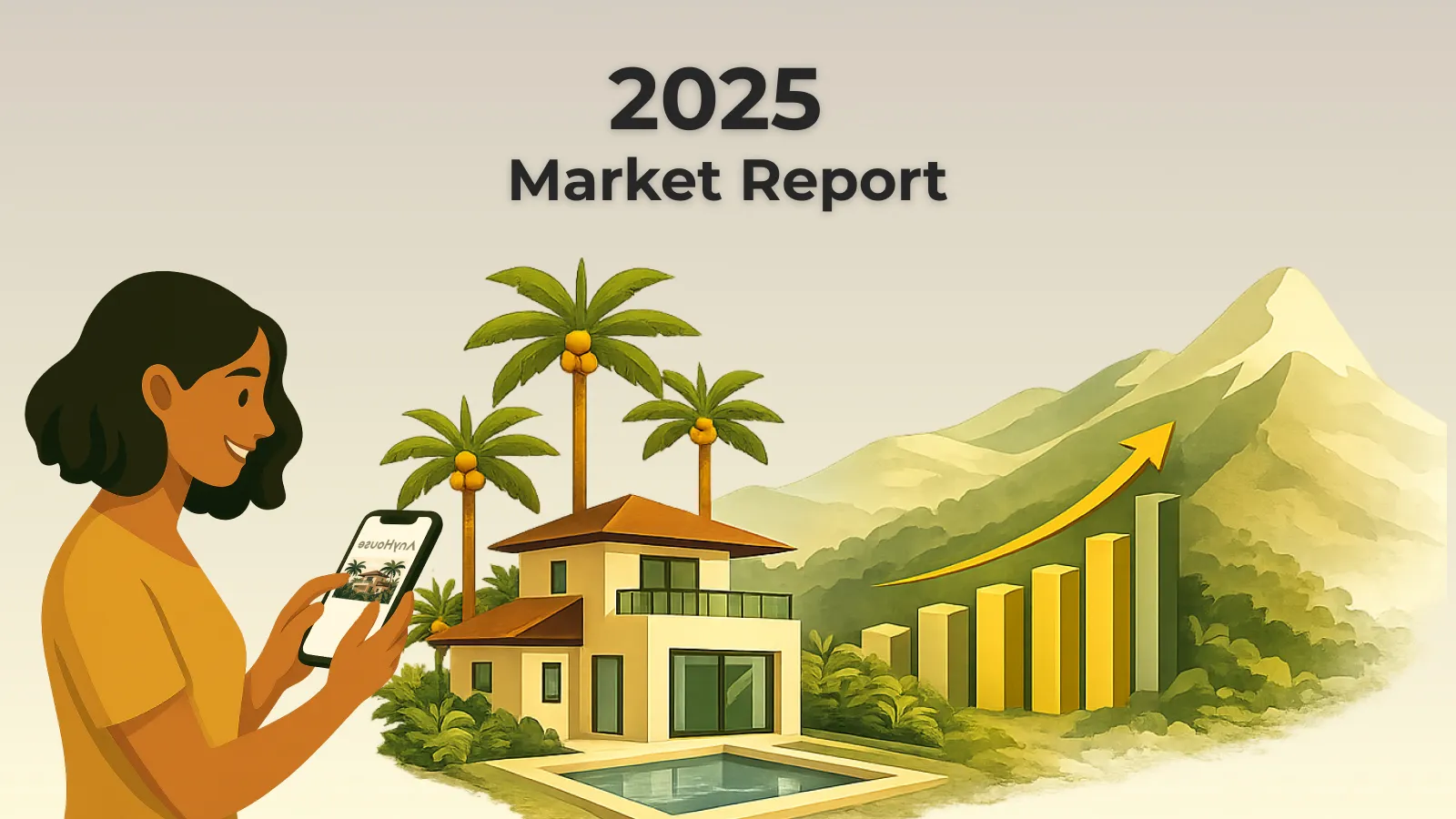
    The Dominican Republic real estate market showed moderate growth in sale prices and more stable rental pricing in 2025. The market also experienced greater availability of long-term rental properties, indicating a shift toward a more balanced rental environment.
    These trends point to a market that is becoming more predictable and mature, particularly across core urban and destination regions.
    Key Market Statistics (2025)National OverviewAverage Sale Price: $329,394Average Sale Price per m²: $2,070 (+4.04% vs 2024)Average Rental Price: $1,655 per monthAverage Rental Price per m²: $12.54 (-1.03% vs 2024)

    Buying Market OverviewProperty sale prices continued to rise in 2025, with the average price per square meter increasing by 4.04% year-over-year. This indicates sustained demand for residential property, particularly in urban and coastal regions.
    While the average sale price declined significantly compared to 2024, the continued rise in price per m² suggests a shift toward smaller or more efficiently priced properties, rather than a broad market downturn.


    Rental Market OverviewAt a national level, average rental prices per square meter showed a slight decline in 2025, decreasing from $12.67 to $12.54 (−1.03%).
    Despite this marginal decrease, AnyHouse data indicates higher availability of long-term rental properties compared to previous years. This suggests that the rental market is moving toward greater balance, with more choice for tenants and less upward pressure on prices at a national level.
    Due to limited historical rental data prior to 2024, no definitive conclusions can yet be drawn regarding long-term rental price trends or structural stabilization.


    Regional & City OverviewThe following regions are included based on data completeness and market representation. Rental figures are shown only where market activity allows for reliable benchmarking.
    Santo DomingoAverage Sale Price: $218,222Average Sale Price per m²: $1,821Average Rental Price: $1,699Average Rental Price per m²: $11.38Punta CanaAverage Sale Price: $345,201Average Sale Price per m²: $2,176Average Rental Price: $1,631Average Rental Price per m²: $13.87BávaroAverage Sale Price: $347,516Average Sale Price per m²: $2,083Average Rental Price: $1,463Average Rental Price per m²: $13Las TerrenasAverage Sale Price: $399,156Average Sale Price per m²: $2,326SantiagoAverage Sale Price: $428,163Average Sale Price per m²: $1,601SamanáAverage Sale Price: $392,012Average Sale Price per m²: $2,165SosúaAverage Sale Price: $281,296Average Sale Price per m²: $1,742CabareteAverage Sale Price: $289,862Average Sale Price per m²: $1,792La RomanaAverage Sale Price: $231,637Average Sale Price per m²: $1,937Puerto PlataAverage Sale Price: $221,105Average Sale Price per m²: $1,733Cap CanaAverage Sale Price: $965,618Average Sale Price per m²: $2,936Average Rental Price: $3,372Average Rental Price per m²: $23.00
    Outlook for 2026Sale prices are expected to continue their gradual upward trend, supported by sustained demand in both urban and destination markets.Rental pricing is showing signs of stabilization, with increased availability contributing to a more balanced long-term rental market.Market dynamics are becoming more predictable, allowing brokers and investors to focus on pricing accuracy and long-term positioning rather than short-term volatility.For investors, this environment favors long-term strategies and efficiently priced properties. Renters may benefit from greater choice, even as overall price levels remain elevated.

    More infoarrow_forward

  • Why the Dominican Republic Has Become a Hotspot for Global Celebrities

    Why the Dominican Republic Has Become a Hotspot for Global Celebrities

    Introduction: The Dominican Republic Beyond a Tourist DestinationThe Dominican Republic has increasingly become a notable destination, not just for vacationers seeking sun-soaked beaches, but also for global celebrities. This Caribbean paradise is known for its stunning landscapes, vibrant culture, and warm hospitality, making it an appealing choice for high-profile individuals.
    Why Celebrities Are Drawn to the CountrySeveral factors contribute to the allure of the Dominican Republic for celebrities. First, the country offers a level of privacy that is often hard to find in other popular locales. The secluded luxury communities provide a safe haven for those who wish to escape the public eye. Additionally, the rich lifestyle, with its luxury amenities and breathtaking natural beauty, appeals to many.
    Tourism InfrastructureThe Dominican Republic boasts a well-developed tourism infrastructure, accommodating a variety of tastes and preferences. World-class resorts and high-end dining options make it a perfect getaway, while also attracting those looking to invest in property.
    Categories of Celebrity InvolvementRegular Visitors & Lifestyle AdvocatesMany celebrities have publicly expressed their admiration for the Dominican Republic. The likes of DJ Khaled, Beyoncé, Jay-Z, and Rihanna frequently visit, sharing their experiences on social media. Such endorsements enhance the country's image as a desirable destination.
    Property Owners or Long-Term ResidentsSeveral well-known figures have chosen the Dominican Republic as a second home or residence. Marc Anthony is a confirmed property owner, while Ricardo Montaner has established long-term ties through his residence and hospitality ventures in the area.
    Confirmed Investors or DevelopersSome celebrities have taken their involvement a step further by investing in real estate. Ryan Babel has openly declared his investments in the Dominican Republic, while Alex Rodriguez is known for his large-scale development projects. These ventures signal a growing confidence in the country's market.
    What This Means for Real Estate Perception and DemandThe presence of celebrities in the Dominican Republic has significant implications for the real estate market. Their visits and investments serve as indicators of the lifestyle and luxury that the country offers. As more people seek to emulate the high-profile lifestyles associated with these figures, demand for luxury and privacy-focused communities is likely to rise.
    Balanced ConclusionWhile it is essential to recognize that celebrities do not directly drive the market, their presence enhances the international visibility of the Dominican Republic. Their lifestyle choices can influence perceptions and demand, making it increasingly popular among property buyers and international investors.

    More infoarrow_forward

  • Alex Rodriguez's Ambitious $1 Billion Real Estate Investment in the Dominican Republic

    Alex Rodriguez's Ambitious $1 Billion Real Estate Investment in the Dominican Republic

    A New Era in Dominican Real Estate The Dominican Republic's real estate market is buzzing with excitement following the announcement of a significant investment by Major League Baseball legend Alex Rodriguez. In partnership with Dominican Tourism Minister David Collado, Rodriguez is set to inject approximately $1 billion into the Río San Juan area, known for its stunning landscapes and vibrant culture.
    What to Expect from This Investment This ambitious project aims to develop 577 ultra-luxury residential and hotel units, catering to the growing demand for high-end accommodations and properties in the region. As the Dominican Republic continues to attract tourists and investors alike, this development is poised to elevate the local real estate landscape.
    Impact on the Real Estate Market Such a substantial investment is expected to have a ripple effect throughout the real estate market. Here are some potential impacts:
    Increased Property Values: With the introduction of ultra-luxury accommodations, surrounding property values may rise, benefiting current homeowners and investors. Job Creation: The construction and subsequent operation of these units will create numerous jobs, contributing to the local economy. Enhanced Infrastructure: Significant investments typically lead to improved infrastructure, making the area more accessible and attractive. Opportunities for Buyers and Renters For property buyers and renters, this development opens up new avenues. The influx of luxury units will likely attract affluent buyers and renters, increasing competition in the market. It's an opportune time for real estate professionals to position themselves as experts in luxury properties, catering to this new demographic.
    Conclusion As the Dominican Republic continues to evolve into a prime destination for luxury real estate, investments like Rodriguez's will shape the future of the market. Staying informed about these developments will be crucial for real estate professionals, buyers, and renters looking to take advantage of new opportunities.

    More infoarrow_forward

  • Dominican Republic Housing Market Report: 2024

    Dominican Republic Housing Market Report: 2024

    As 2024 concludes, we at AnyHouse are proud to present an in-depth overview of the housing market in the Dominican Republic. This report provides critical insights into property sales and rentals across the country, offering value to brokers, buyers, and renters alike.
    National OverviewThe real estate market across the Dominican Republic has shown remarkable diversity and opportunity this year:
    Average Sale Price: $742,509Average Sale Price per m²: $1,994Average Rental Price: $1,362Average Rental Price per m²: $12

    You might find the average sale prices surprisingly high, but this is largely due to premium properties and pieces of land listed at prices exceeding $30 million.
    Regional HighlightsSanto DomingoAs the bustling capital, Santo Domingo provides more affordable options while maintaining a strong rental market:
    Average Sale Price: $154,599Average Sale Price per m²: $1,648Average Rental Price: $1,126Average Rental Price per m²: $9

    Punta CanaRenowned for its luxury beachfront properties, Punta Cana leads in high-end real estate:
    Average Sale Price: $539,528Average Sale Price per m²: $2,083Average Rental Price: $1,452Average Rental Price per m²: $14

    Las TerrenasA growing hub for tourism and expatriates, Las Terrenas offers mid-range property prices:
    Average Sale Price: $368,750Average Sale Price per m²: $1,597

    SantiagoAs the second-largest city, Santiago balances affordability with steady growth:
    Average Sale Price: $240,494Average Sale Price per m²: $1,197

    SamanáKnown for its natural beauty, Samaná remains a hotspot for exclusive investment opportunities:
    Average Sale Price: $423,452Average Sale Price per m²: $1,855

    La RomanaLuxury meets exclusivity in La Romana, with the highest property prices in the country:
    Average Sale Price: $1,881,685Average Sale Price per m²: $2,266

    Puerto PlataAn emerging destination, Puerto Plata offers some of the most affordable real estate options:
    Average Sale Price: $224,120Average Sale Price per m²: $1,119

    Key Takeaways for BrokersDiverse Opportunities: From luxury estates in La Romana to affordable options in Santiago, the Dominican Republic offers properties for all types of clients.Rental Market Potential: While data is still emerging for some regions, areas like Punta Cana and Santo Domingo remain strong in rental demand.Market Growth: With total inventory exceeding $3.5 billion, brokers have ample opportunities to connect clients with their dream properties.

    Looking Ahead to 2025The Dominican Republic's real estate market is poised for continued growth, driven by increasing demand from both local and international buyers. AnyHouse remains committed to supporting brokers with tools, insights, and technology to stay ahead in this dynamic market.
    Let’s build on this momentum together in 2025!

    More infoarrow_forward

  • Why the Dominican Republic Is a Prime Market for Realtors

    In this insightful video, Marvin van Kalsbeek shares his personal journey of leaving behind the fast-paced, high-pressure environment of Amsterdam to embrace a completely different lifestyle in Punta Cana, Dominican Republic. With warmth and relatability, Marvin reflects on how this decision has transformed his quality of life and well-being in ways he hadn’t imagined.


    A Shift in LifestyleMarvin highlights the stark contrast between life in Europe and the Dominican Republic. Where Amsterdam often felt overwhelming with stress, constant schedules, and a "rat race" mentality, Punta Cana offers a slower pace of life, filled with joy, relaxation, and community. This change allowed him to focus on what truly matters—quality of life, health, and family.


    The Dominican SpiritOne of the key themes of the video is the warmth of the Dominican people. Marvin emphasizes how the locals’ positive attitude, kindness, and sense of hospitality play a huge role in making the Dominican Republic one of the happiest places in the world. Life here, he explains, feels more connected and fulfilling. It's not just about the sunshine and beaches (though those are spectacular), but also about the culture’s emphasis on enjoying life and valuing relationships.


    A New Environment of OpportunityBeyond the lifestyle benefits, Marvin also discusses the opportunities that come with moving to the Dominican Republic. Whether it’s starting a business, enjoying nature year-round, or finding personal growth in a new environment, the country has given him a fresh perspective on what’s possible. He explains how the simple things, like hearing music on the streets, engaging with vibrant local markets, or being surrounded by natural beauty, can have a profound impact on happiness.


    Final ReflectionsMarvin’s story paints a clear picture of the freedom and fulfillment that expat life in Punta Cana can bring. From the stunning Caribbean scenery to the welcoming community and relaxed way of life, it’s no wonder why the Dominican Republic continues to attract people seeking a happier, more balanced lifestyle.
    If you’ve ever dreamed about starting over in paradise or finding a better work-life balance, Marvin’s story is an inspiring reminder that life doesn’t have to be complicated to be fulfilling.
    Watch the full video for a deeper look at expat life in Punta Cana and why it might just be one of the happiest places on earth:

    More infoarrow_forward

  • All You Need to Know Before Moving to the Dominican Republic

    All You Need to Know Before Moving to the Dominican Republic

    The Dominican Republic has become a popular destination for expatriates, with approximately 100,000 to 200,000 expats residing in the country. The country offers diverse living options, catering to various lifestyles and budgets. Here's a comprehensive guide to help you understand what to expect when moving to the Dominican Republic.


    Popular Expat Areas
    Santo Domingo: The capital city offers a vibrant urban lifestyle with a mix of history and modern amenities. Rental prices range from $500 to $1,500 USD per month for apartments in desirable neighborhoods.
    Punta Cana: Known for its beautiful beaches and luxury resorts, rental prices here can range from $800 to $2,000 USD per month for beachfront properties.
    North Coast: Towns like Cabarete and Sosúa are popular among expats. Rental prices in these areas range from $400 to $1,200 USD per month.


    Cost of Living
    - Housing: A comfortable lifestyle can range from $1,200 to $2,500 USD per month. For instance, a three-bedroom apartment in Santo Domingo can cost between $800 to $1,500 USD per month, while a similar apartment in Santiago ranges from $600 to $1,200 USD.
    - Groceries: Monthly grocery costs for a single person can range from $200 to $400 USD.
    - Dining Out: A meal at an average-priced restaurant costs around $10 to $20 USD.
    - Transportation: Monthly costs for public transport and occasional taxi rides range from $50 to $150 USD. A bus trip from Punta Cana to Santo Domingo costs about $7. Apps like Uber are available, but owning a car is recommended for comfort. However, buying a car can be more expensive than in other countries due to import costs.


    Buying Property
    Foreigners can buy and own property in the Dominican Republic with no major restrictions. The process involves due diligence, such as checking the property title and understanding local laws and taxes. The legal framework ensures that foreigners have the same property rights as Dominican citizens.


    Retirement in the Dominican Republic
    Retiring in the Dominican Republic is popular due to its natural beauty, warm climate, and low cost of living. Popular retirement areas include Punta Cana, Puerto Plata, Las Terrenas, and Sosúa, offering access to amenities like healthcare, shopping, and leisure activities. Challenges include healthcare quality, language barriers, and adjusting to local culture.


    Healthcare System
    The Dominican Republic offers a range of healthcare facilities, including public hospitals and private clinics. Private healthcare is generally preferred by expats due to higher standards. Health insurance is recommended, with local and international plans available. Costs for consultations range from $20 to $100 USD, while more complex procedures can run into thousands of dollars.


    Transportation System
    Public transportation includes buses, minibuses (guaguas), and motoconchos (motorcycle taxis). Traffic can be heavy in major cities, and road conditions vary. Renting or buying a car is a preferred option for many expats. A bus trip from Punta Cana to Santo Domingo costs about $7, and apps like Uber are available. However, owning a car is recommended for comfort, despite being more expensive due to import costs.


    Education System
    The Dominican Republic offers international schools in major cities and expat-popular areas. Tuition fees range from $3,000 to $10,000 USD per academic year. Local schools may differ significantly from international standards, making international schools a preferred choice for expat families.


    Work and Business
    Expats often find employment in tourism, hospitality, education, and real estate. A good grasp of Spanish broadens job opportunities. Work permits are required, and certain jobs are reserved for Dominican nationals. Networking is crucial for finding employment.


    Banking and Finance
    The banking system in the Dominican Republic offers a range of services. Opening a bank account requires valid documentation. Online banking is available but may not be as comprehensive as in more developed countries. Health insurance and financial planning are important considerations.


    Culture and Social Norms
    Family and community are important in Dominican culture. Greetings include handshakes and cheek kisses. Punctuality can be relaxed for social gatherings. Learning Spanish enhances day-to-day life and interactions. Dressing modestly is important in non-tourist areas.


    Safety and Security
    Petty crime is common, and safety precautions are similar to those in other countries. Certain areas are safer for expats, and it's advisable to research and seek local advice when choosing where to live. The legal system can be slow, and legal assistance may be needed.


    Religion and Spirituality
    Roman Catholicism is the predominant religion, with other Christian denominations also present. Expats can access religious or spiritual activities relatively easily. Major cities and tourist areas have various places of worship.


    Climate and Environment
    The Dominican Republic has a tropical climate, with a hot season from May to October and a cooler season from November to April. The rainy season overlaps with the hot season. Health risks include mosquito-borne diseases, and natural disasters like hurricanes and earthquakes occur.


    Final Thoughts
    The Dominican Republic offers a diverse and enriching environment for expatriates. With its affordable cost of living, welcoming culture, and beautiful landscapes, it’s no wonder that so many people choose to call this Caribbean paradise their new home. Whether you’re looking for an active urban lifestyle or a peaceful beach retreat, the Dominican Republic has something for everyone.

    More infoarrow_forward

  • Best Neighborhoods to Live in Punta Cana

    Best Neighborhoods to Live in Punta Cana

    Punta Cana offers a variety of neighborhoods, each with its unique appeal:


    Bavaro
    Known for its vibrant atmosphere, stunning beaches, and numerous amenities, Bavaro offers a lively and convenient area where you can still find affordable homes. The area boasts many high-quality residential zones perfect for families, with house prices ranging from moderate to high depending on proximity to the beach and amenities.


    Los Corales
    This beautiful beachfront area is perfect for those seeking tranquility and relaxation. There's plenty to do, but be aware that some houses may have salt in the tap water, so it's advisable to check the water quality during viewings. Property prices here are generally on the higher side due to the prime beachfront location.


    Downtown Punta Cana
    The bustling center of activity with shops, restaurants, and nightlife, Downtown Punta Cana is ideal for those who enjoy an active and dynamic lifestyle. It's the perfect place to experience the vibrant culture and energy of the area. House prices vary widely, with both affordable and high-end options available.


    Punta Cana Village
    A quiet, family-friendly community that offers a serene living environment. It boasts a mix of residential and commercial areas, providing a peaceful yet convenient lifestyle with schools, parks, and shopping options. Prices are mid-range to high, reflecting the family-friendly amenities.


    Cap Cana
    Features luxurious living with world-class facilities, including golf courses, marinas, and exclusive beaches. It's a gated community known for its high-end properties and upscale amenities, making it a favorite among luxury seekers. Properties here are typically on the higher end of the price spectrum.


    Cocotal
    A golfer's paradise with beautiful landscapes and a renowned golf course. Cocotal offers a blend of residential comfort and recreational facilities, providing an ideal setting for those who love golf and outdoor activities. Property prices are mid-range to high, depending on the location within the golf community.


    Veron
    A rapidly developing area with a more local feel, Veron offers more affordable housing options compared to the more tourist-focused areas. It’s a great place for those looking to integrate more closely with the local community while still being close to the main attractions of Punta Cana.


    Friusa
    Known for its local markets and vibrant street life, Friusa provides a more authentic Dominican experience. Housing prices here are generally lower, making it an attractive option for those on a budget who want to live in a lively and culturally rich neighborhood.


    These neighborhoods provide a range of living experiences, making Punta Cana an excellent choice for both investment and residence.

    More infoarrow_forward

  • Point2Homes exits The Dominican Republic

    AnyHouse the new biggest real estate In a significant shift within the real estate landscape, Point2Homes has announced its exit from the Dominican Republic market. This development opens up new opportunities for local real estate professionals and homebuyers, paving the way for AnyHouse to become the leading real estate platform in the country.
    At AnyHouse, we are committed to transforming the real estate experience in the Dominican Republic. Here’s why AnyHouse is the new best thing for the Dominican Republic:


    Building a Comprehensive MLS One of our primary initiatives is the creation of a Multiple Listing Service (MLS) specifically tailored for the Dominican Republic. Our MLS will provide a centralized database of property listings, offering unparalleled access to up-to-date and accurate real estate information. This system will streamline the buying and selling process, making it easier for brokers and agents to manage listings and for buyers to find their dream homes.


    Advanced Technology and User Experience AnyHouse leverages cutting-edge technology to deliver a seamless user experience. Our platform is designed to be intuitive and user-friendly, enabling users to search for properties with ease. We offer detailed property information, high-quality photos, virtual tours, and neighborhood insights to help buyers make informed decisions.


    Enhanced Exposure for Listings With Point2Homes leaving the market, AnyHouse is stepping in to ensure that properties in the Dominican Republic receive the visibility they deserve. We reinvest 100% of our profits back into marketing, increasing the exposure of listings and generating more leads for brokers and agents. This commitment to marketing ensures that properties listed on AnyHouse reach a broader audience, both locally and internationally.
    Support for Real Estate Professionals We understand the challenges faced by real estate professionals in a dynamic market. AnyHouse provides a suite of tools and services designed to support brokers and agents. From customizable websites to lead management and marketing solutions, we empower real estate professionals to grow their businesses and serve their clients more effectively.


    Community Engagement and Feedback At AnyHouse, we value the feedback and insights of our users. We actively engage with the real estate community to continually improve our platform and services. Your feedback helps us refine our offerings, ensuring that AnyHouse remains the premier choice for real estate in the Dominican Republic.


    Join Us in Shaping the Future As Point2Homes exits, AnyHouse is poised to lead the way in the Dominican Republic’s real estate market. We invite you to join us in this exciting journey. Whether you’re a broker, agent, buyer, or seller, AnyHouse is here to meet your real estate needs with excellence and innovation.
    Stay tuned for more updates as we roll out new features and services. Together, we can build a vibrant and thriving real estate community in the Dominican Republic.
    Discover the future of real estate with AnyHouse – Your reliable partner in finding the perfect home.

    More infoarrow_forward

  • 6 Reasons to Choose a Professional Real Estate Agent

    6 Reasons to Choose a Professional Real Estate Agent

    When it comes to buying or selling a property, having the help of a professional real estate agent can make a world of difference. These real estate experts have the knowledge, experience, and resources to guide you through the complicated real estate transaction process. In this article, we'll explore the top six reasons why you should consider hiring a real estate agent to ensure you make the best decisions in the real estate market.
     
    1. Experience and knowledge of the market: A real estate agent has in-depth knowledge and experience in the local real estate market. They are aware of the latest trends, sale and rental prices, up-and-coming locations, and potential problems in a given area. This information is essential to help you make informed decisions about buying or selling a property. By having access to reliable and up-to-date data, a real estate agent can provide you with valuable insights and help you negotiate the best possible deal.

    2. Network of contacts and resources: Professional real estate agents have a wide network of contacts in the sector. They have access to other agents, prospective buyers or sellers, and related professionals such as attorneys, appraisers, and financial experts. This network of contacts can be very beneficial when looking for a property or trying to sell it. In addition, real estate agents have access to specialized resources and tools, such as listing databases, which can streamline the search process and facilitate the transaction.
     
    3. Expert negotiation: Negotiation is a fundamental skill in the real estate market, and real estate agents are experts in this area. By acting as an intermediary between buyers and sellers, agents have the ability to negotiate on your behalf to obtain the best possible terms. Thanks to their experience and knowledge of the market, they can identify negotiation opportunities, evaluate offers and counter-proposals, and maximize your chances of obtaining a beneficial agreement.

    4. Impartial advice: In the process of buying or selling a property, it is common for buyers or sellers to feel overwhelmed with emotions and difficult decisions. This is where a professional real estate agent can give you unbiased advice. By not being emotionally involved, they can offer an objective perspective and help you make rational decisions. Whether you're buying your first home or selling an investment property, a real estate agent can provide guidance and support throughout the process.
     
    5. Management of procedures and documentation: The purchase or sale of a property involves a large amount of paperwork and legal documentation. A real estate agent is experienced in handling all the paperwork necessary to close a real estate transaction. From the preparation of contracts to the review of legal documents.
     
    6. Knowledge of the local market:  beyond the purchase of homes
    Not only can our team help you make informed decisions based on your purchasing needs and budget, but after your purchase, we can connect you with local service providers such as property managers and cleaning services. That way, you can get your home or investment property up and running quickly and easily.
    In conclusion, working with a real estate agent like luxiendo can provide you with a wide range of benefits when buying or selling a property in the Dominican Republic. With our years of experience, knowledge of the local market, negotiation skills and professional representation, you can be sure that your interests are protected and that you are getting the best possible deal.
    Contact us today to learn more about how we can help you with your Dominican Republic real estate needs. Send us a WhatsApp message at 1-829-802-9999 or Luxiendo.com to see our houses for sale in the Dominican Republic.

    More infoarrow_forward

  • The typical culture of the Dominican Republic

    The typical culture of the Dominican Republic

    A rich amalgamation of traditions The Dominican Republic, located on the island of Hispaniola, is a Caribbean country with a vibrant and diverse culture. Their heritage is made up of a unique blend of indigenous Taíno, Spanish, African and other world influences. This rich amalgamation has given rise to a typical Dominican culture full of color, music, gastronomy and festivities that reflect the identity and spirit of the Dominican people.
     
    Music and dance Music is a central element in Dominican culture and is deeply embedded in the daily lives of its people. Merengue, recognized as the national musical genre, is a joyful and contagious rhythm that invites you to dance and celebrate. Bachata, a more melodic and romantic musical genre, is also very popular in the country. Dominican parties and festivals are filled with live music, where people dance to the beats of these genres and show off their dance prowess.
     
    The gastronomy Dominican food is a delicious fusion of flavors and culinary techniques. The national dish, sancocho, is a thick and flavorful broth that combines meat, vegetables, and tubers. Other typical dishes include mofongo, made from mashed green plantains with garlic and meat, and arroz con habichuelas, a combination of rice and red or black beans. Dominicans are also known for their love of fresh seafood, such as prawns, octopus, and shrimp.
     
    The holidays The Dominican Republic is famous for its joyful and colorful festivities, which reflect the passion and spirituality of the Dominican people. Carnival is one of the most important celebrations and takes place throughout the country during the month of February. During this time, the streets are filled with costumed troupes, music, dances and extravagant parades. Another outstanding event is the celebration of the Virgen de la Altagracia, considered the protective mother of the country. Every January 21, thousands of people gather at the Basilica of Higüey to pay homage to the Virgin with masses, pilgrimages and religious festivities.
     
    Arts and crafts Dominican art is diverse and reflects the history and culture of the country. Painting and sculpture are very popular forms of artistic expression. Dominican artists have gained national and international recognition, and their works are exhibited in galleries and museums around the world. In addition, the Dominican Republic is famous for its crafts, which include the creation of handmade objects such as ceramics, wood carvings, amber jewelry, and textiles made from natural fibers.

    More infoarrow_forward
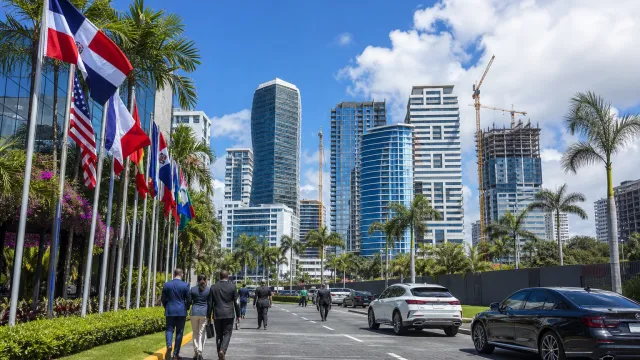
  • The potential of Airbnb in the Dominican Republic

    The potential of Airbnb in the Dominican Republic

    A boost for tourism and the local economy The tourism industry in the Dominican Republic has experienced significant growth in recent years, becoming one of the most popular destinations in the Caribbean. As the country continues to attract more travelers from around the world, sharing economy platforms such as Airbnb are playing a key role in providing a unique accommodation alternative for visitors. In this article, we will explore the potential of Airbnb in the Dominican Republic and how it is boosting tourism and the local economy.


    Diversity of accommodation options One of the most prominent advantages of Airbnb is the wide range of accommodation options that it offers to travelers. From luxurious villas on the beaches of Punta Cana to cozy cabins in the mountains of Jarabacoa, the platform allows visitors to find the accommodation that best suits their needs and preferences. This not only attracts tourists with different budgets, but also promotes the diversification of the Dominican tourism sector by including smaller properties and local owners.


    Empowerment of local hosts Airbnb gives residents of the Dominican Republic the opportunity to become a host and monetize their unused space. This has a positive impact on the local economy, as it allows people to generate additional income and promote entrepreneurship. Local hosts can show travelers an authentic perspective on Dominican culture, providing recommendations on local sights, restaurants, and events, enriching the traveler experience and fostering greater cultural exchange.


    Sustainable tourism development Airbnb has been recognized for its focus on sustainable and responsible tourism. This is reflected in its initiatives to promote environmentally friendly practices, such as encouraging the use of renewable energy and reducing water and energy consumption. In the Dominican Republic, this is especially relevant, since the country has a wide biodiversity and beautiful natural resources that must be protected. By choosing sustainable listings through Airbnb, travelers can help preserve the environment and support hosts who care about the environment.


    Boost to the local economy The economic impact of Airbnb in the Dominican Republic is significant. According to data from the platform itself, in 2019, Dominican hosts earned around 109 million dollars, and it is estimated that more than 60% of that income went to local expenses. This includes hiring cleaning services, purchasing food and basic necessities, as well as investing in property improvements and maintenance. This income generated directly in local communities has a multiplier effect on the economy, benefiting

    More infoarrow_forward

  • Why invest in the Dominican Republic?

    Why invest in the Dominican Republic?

    #1 Your money goes further In Europe, 100 to 150 thousand USD won't cover the cost of a desirable property. However, in the Dominican Republic, the same amount can secure you a brand new 2 bed 2 bath beachfront property in Punta Cana, equipped with abundant amenities. Additionally, when you're not using the property, you can rent it out on platforms like Airbnb, generating passive income. This brings us to our next point.


    #2 Higher profitability The ratio between the purchase price and potential rental yield, as well as capital appreciation, is highly favorable. Despite the relatively low property prices, the tourists, predominantly from Canada, the USA, and Europe, are willing to pay rates similar to those in their home countries.


    #3 Tax incentives There are attractive tax benefits such as 0% transfer tax and 0% property taxes for the initial 15 years (under Law No. 158-01).
    The tax conditions for purchasing real estate in the Dominican Republic are highly appealing. The government has actively encouraged foreign investment, leading to accelerated economic growth.
    By acquiring a property under the "Confortur" government program, you can significantly reduce or eliminate many of your initial closing costs and tax obligations.
    Moreover, with additional research and the assistance of professionals, setting up a Dominican LLC and offshore accounts can further optimize your financial outcomes.


    #4 Strong Covid Rebound The DR is praised as a pandemic success story by The New York Times. In 2021, it surpassed all other Caribbean destinations by hosting over 5 million tourists and experiencing its strongest economic year in 30 years. The trend of increasing tourist numbers continues, with a record-breaking influx of more then 7 million tourists in 2022.


    #5 An Unbeatable climate If you’re looking to escape the cold and settle down in tropical paradise, there’s nowhere like the Dominican Republic to start fresh. With daily temperatures that average 28°C (82°F) and miles of white sandy calling your name.


    #6 The Golden Visa The Dominican Republic offers an appealing residency by investment program. With an investment of just 200,000 USD, individuals can obtain permanent residency, making it an accessible option for those seeking a new place to reside or establish fiscal residency.
    Moreover, after only two years of holding permanent residency, individuals become eligible for citizenship. The Dominican Republic allows dual citizenship, eliminating the need to relinquish existing citizenship.

    More infoarrow_forward
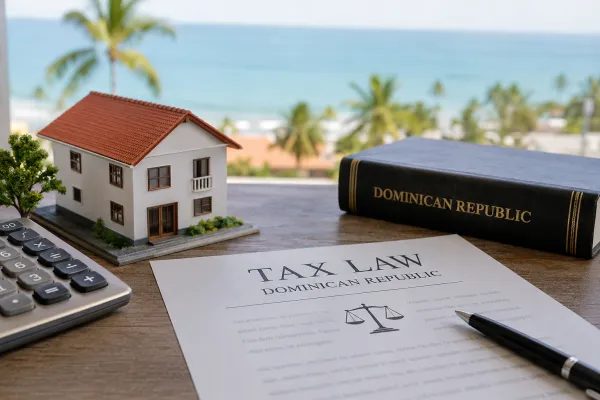
Follow us

Find us on any of these platforms.
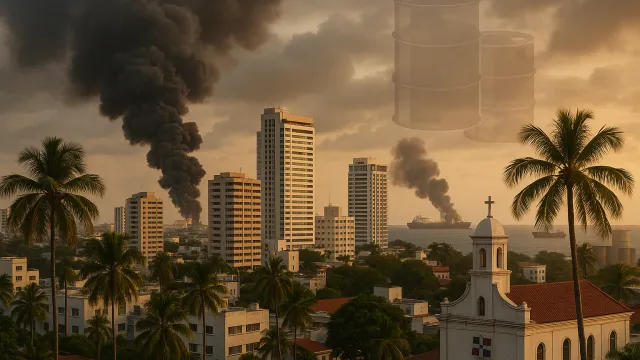
Useful Links
  • Home
  • Listings
  • Brokers
  • Blog
  • Login
  • Register
  • Support
  • FAQ
  • Mortgages
  • Developers
Countries
  • Dominican Republic
  • Mexico
Cities
  • Bayahibe
  • Bávaro
  • Cancun
  • La Romana
  • Las Terrenas
  • Playa del Carmen
  • Puerto Plata
  • Punta Cana
  • Samaná
Residentials
  • Arroyo Hondo
  • Bella Vista
  • Benito Juárez
  • Cap Cana
  • Casa de Campo
  • Cocotal Golf & Country Club
  • Cosón
  • El Cortecito
  • El Portillo

Copyright © 2026 AnyHouse S.R.L. - Privacy policy