Edesur to Charge Network Usage Fee to Solar Panel Customers Starting November
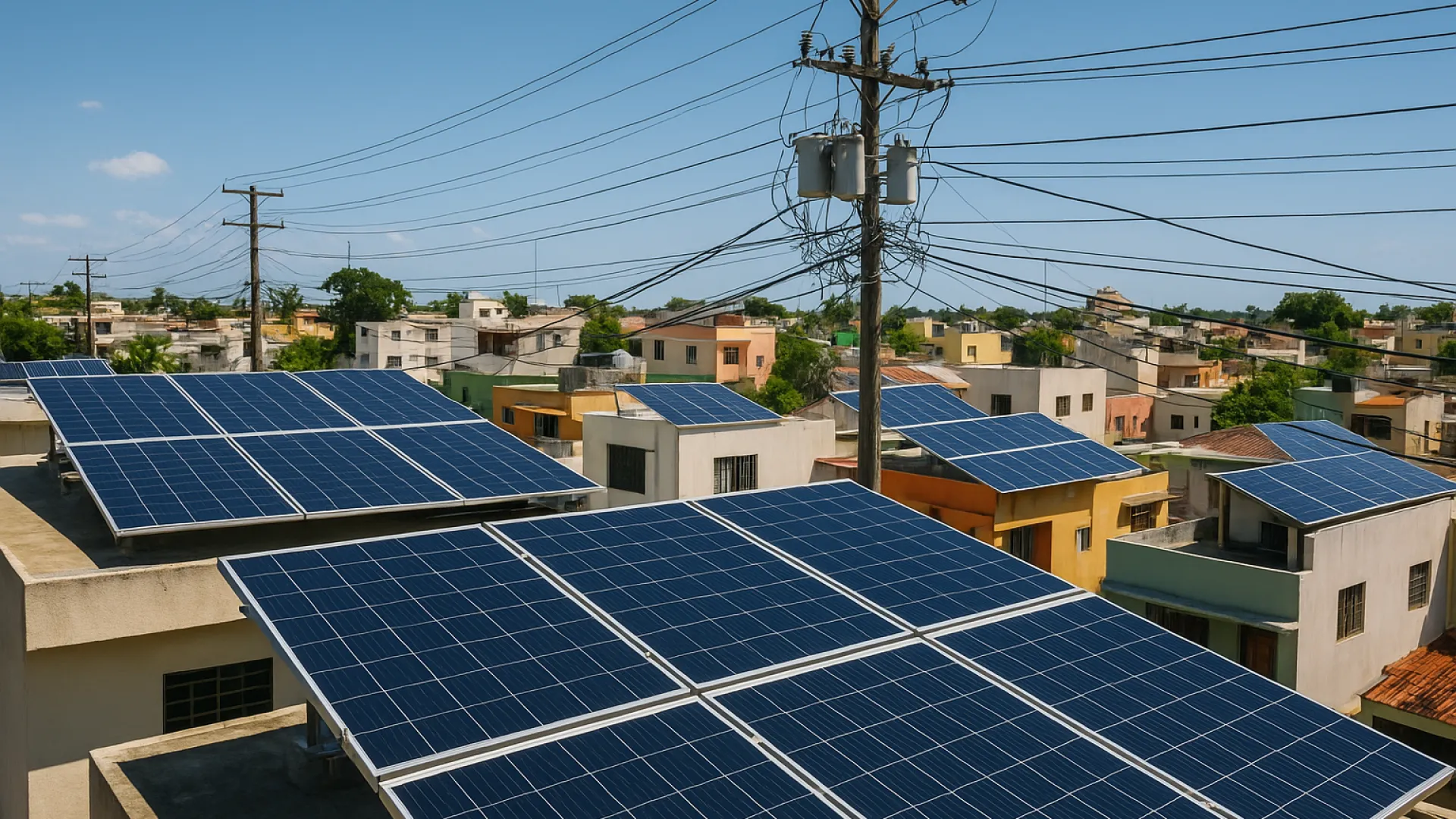
Edesur Dominicana has announced a significant change in its billing structure for clients utilizing solar panels, effective November 1, 2026. This decision aligns with the recent regulations set forth by the Superintendencia de Electricidad (SIE) and aims to address the growing trend of distributed generation in the country.
The new fee, termed 'network usage charge,' will apply to customers under specific fixed-rate tariffs, raising questions about the future of renewable energy adoption in the Dominican Republic.
Impact on Solar Energy Adoption
The introduction of a network usage charge for solar panel customers is likely to have a profound impact on the adoption of solar energy in the Dominican Republic. As the country aims to increase its renewable energy capacity, such fees could deter potential users from investing in solar technology. The charge is calculated based on 25% of the energy cost associated with the customer's tariff, which may lead to increased overall expenses for solar panel owners.
Moreover, customers who installed their solar systems before October 2021 will be particularly affected, as they fall under the monomic tariff categories BTS-1 and BTS-2. This could create a perception that the government is not fully supportive of renewable energy initiatives, potentially stalling progress in this sector.
Regulatory Framework and Compliance
The new billing scheme introduced by Edesur is a direct result of the Reglamento para la Aprobación, Interconexión y Operación de Instalaciones de Generación Distribuida established by the Superintendencia de Electricidad. This regulation aims to create a structured environment for the integration of distributed generation systems into the national grid.
By implementing a network usage charge, Edesur is ensuring compliance with Article 19 of the new regulation, which specifically addresses the financial responsibilities of solar energy producers. This regulatory framework is crucial for maintaining the balance between traditional energy sources and emerging renewable technologies.
Future of Renewable Energy in the Dominican Republic
The decision by Edesur to implement a network usage fee could signal a pivotal moment for the future of renewable energy in the Dominican Republic. As the country seeks to diversify its energy sources and reduce reliance on fossil fuels, the implications of this fee may extend beyond immediate financial concerns.
Stakeholders in the renewable energy sector may need to reassess their strategies in light of this new charge. It could lead to increased advocacy for more favorable policies that support solar energy development, potentially influencing future legislation. The government's role in facilitating a conducive environment for renewable energy will be crucial in determining whether the country can meet its sustainability goals.
Comments
Login to leave a comment on this article.