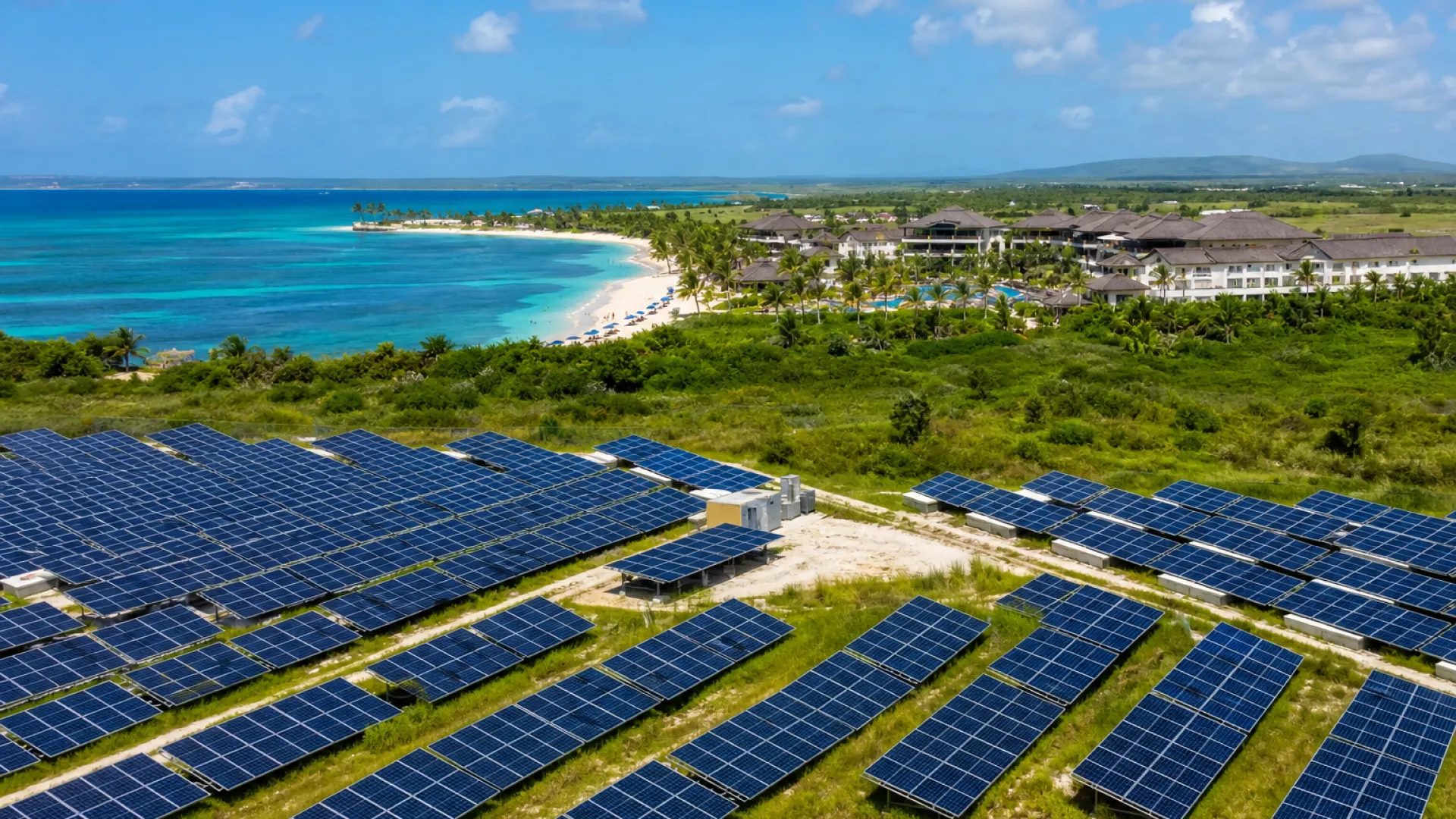
Energy and Tourism: The Cornerstones of Foreign Direct Investment in the Dominican Republic
The Dominican Republic has witnessed a significant surge in foreign direct investment (FDI) during the first half of 2026, with energy and tourism sectors capturing nearly half of the total inflows. This editorial explores the implications of this concentration of investment and its potential impact on the nation's economy.
The Dominance of Energy Investments
In the first half of 2026, the energy sector attracted a remarkable 27.8% of the total foreign direct investment, amounting to approximately US$910.9 million. This sector's growth reflects a robust interest from international capital in projects related to energy generation, infrastructure, and capacity expansion. The Dominican Republic's strategic location and favorable investment climate continue to draw attention from global investors looking to capitalize on the country's energy potential.
However, the report from the Central Bank does not specify the investments by company, technology, or project, leaving a gap in understanding the specific drivers behind this influx. Nevertheless, the overall trend indicates a positive outlook for the energy sector, which is crucial for supporting the growing demands of both the domestic market and export opportunities.
Tourism: A Growing Economic Engine
The tourism sector follows closely, capturing 20.1% of the total FDI, translating to approximately US$658.6 million. This growth occurs in the context of rising tourist revenues, which reached US$6,716 million in the first half of 2026—a year-on-year increase of US$891.2 million. The influx of over 6.5 million visitors, marking a 7.9% increase compared to the previous year, underscores the sector's resilience and potential for further expansion.
As the Dominican Republic continues to enhance its tourism offerings, the strategic investments in infrastructure and services are crucial. The interplay between tourism and real estate development is evident, as increased visitor numbers drive demand for residential and commercial projects, further solidifying the sector's importance to the national economy.
The Broader Economic Context
The concentration of FDI in energy and tourism sectors highlights the strategic role these industries play in the Dominican economy. However, this dependency on external factors, such as global fuel prices and geopolitical tensions, raises concerns about the sustainability of such growth. The Central Bank's report indicates that FDI increased by US$233.4 million compared to the first half of 2025, representing a 7.7% year-on-year growth. This marks the highest level recorded for the January-June period since 2021.
While the energy and tourism sectors are thriving, it is crucial for the Dominican Republic to diversify its investment portfolio. The real estate and mining sectors, each receiving 12.4% of the total FDI, also show promise, particularly with increased gold exports reaching US$1,591.9 million—a significant increase of 68.8% compared to the previous year. This diversification could mitigate risks associated with over-reliance on a few sectors and foster a more resilient economy.
Comments
Login to leave a comment on this article.